Why Kosher Certification Matters More Than You Think
When you’re navigating dietary restrictions, allergies, or cultural food practices, the labels on the back of a jar become incredibly important. At Cordoba Foods, we understand that one certification isn’t enough to tell the whole story about what’s actually safe for your table. That’s why we want to walk you through what kosher certification really means, how it differs from allergen safety, and why we’ve built our manufacturing practices around protecting both.
Kosher certification represents a commitment to following specific Jewish dietary laws that date back thousands of years. It’s not simply a health label or a marketing badge. When you see a kosher symbol on our Gaucho Ranch Chimichurri or N’DULCE Dulce de Leche, it means we’ve worked with a certifying authority to verify that our ingredients, equipment, and processes comply with precise religious requirements.
For many families, kosher certification is a non-negotiable part of their food choices. It connects them to tradition, community, and faith. Beyond that, the kosher certification process actually demands rigorous oversight that benefits everyone seeking high-quality, carefully manufactured foods.
The certification process itself is thorough. A rabbi or qualified inspector visits our facility, reviews our ingredient sourcing, inspects our equipment, and verifies our production methods. This level of external scrutiny means that our manufacturing standards are audited by experts looking for specific details. In that sense, kosher certification operates as a quality assurance measure that goes deeper than many consumers realize.
What to do next: Check your products for the specific kosher certifier symbol (such as OU, OK, or Star-K). Different certifiers have slightly different standards, so knowing which authority certified a product helps you understand exactly what those practices entail.
The Real Problem: Kosher Does Not Automatically Mean Allergen-Safe
Here’s the critical point we need to emphasize: kosher certification and allergen safety are two separate things. A product can be fully kosher and still contain allergens like gluten, tree nuts, or soy. Kosher law does not prohibit these ingredients.
This confusion catches many families off guard. Someone with celiac disease might assume that “kosher” means “gluten-free,” but that’s not how it works. Kosher rules focus on which animals or ingredients are permitted under Jewish dietary law, not on allergen management or cross-contamination prevention for those with food sensitivities.
We’ve seen parents and caregivers make this mistake, leading to accidental exposures. A grandmother buys a kosher condiment thinking it’s safe for her granddaughter’s gluten-free diet, only to discover the product was manufactured on shared equipment. The kosher symbol did its job, but it didn’t communicate allergen information.
This is precisely why we go beyond kosher. Our commitment includes explicit allergen declarations and manufacturing practices designed to protect people with severe food sensitivities. Kosher certification is part of our story, not the entire story.
What to do next: Always read the allergen statement on the label, regardless of certification type. Don’t assume any single label claim covers all your dietary needs.
How Kosher Certification Actually Works
The kosher certification process is methodical and involves several steps that underpin the integrity of the final product.
First comes ingredient approval. Our certifier reviews every single ingredient we source, from the spices in our chimichurri blends to the base ingredients in our dulce de leche. They check where those ingredients come from, how they’re processed, and whether they meet kosher standards. Some ingredients that are kosher in their raw form become non-kosher if they’re processed with non-kosher additives or in non-kosher facilities.
Next, equipment inspection is critical. Our production lines, storage tanks, and packaging materials must all be approved. Certain types of equipment—particularly those made from materials that can absorb non-kosher residues—may need to be certified or replaced. For products manufactured on shared equipment, the kosher certifier evaluates whether proper cleaning procedures (called “kashering”) separate the kosher production from other products.
During production, our team follows specific protocols. For Passover-certified products, for example, we clean equipment far more intensively and source specialized ingredients. For year-round kosher items, our procedures still emphasize cleanliness and separation of ingredients and processes.
The certifier conducts unannounced facility visits to verify ongoing compliance. This means we’re being audited regularly, not just certified once and forgotten about.
Finally, labeling is controlled. We can’t simply add a kosher symbol to our packaging without written approval from the certifying authority. Every label change gets reviewed.
What to do next: If you want detailed information about how a specific product is certified, reach out to the product’s certifying authority. Most rabbinical authorities publish detailed certifications online.
Understanding Cross-Contamination in Certified Facilities
Cross-contamination is perhaps the most misunderstood aspect of food manufacturing safety. Even in a kosher-certified facility, cross-contamination can occur if protocols aren’t strictly enforced, and not all cross-contamination is equally serious.
There are different types of cross-contamination risks:
- Ingredient cross-contact: when a non-allergen ingredient is accidentally mixed with an allergen ingredient during storage or handling
- Equipment cross-contact: when allergen residue from one product line transfers to another through shared machinery
- Air-borne cross-contact: when particles from one production area drift to another
- Personnel-related cross-contact: when someone handles multiple products and transfers allergens on their hands or clothing
A facility can be perfectly kosher-compliant and still have gaps in allergen management if allergen protocols aren’t equally robust. This matters most for people with severe nut allergies, gluten sensitivities, or soy allergies.
We approach cross-contamination prevention by treating allergen management as a separate system from kosher compliance. Both matter, and both require dedicated attention. This dual approach means we’ve invested in dedicated equipment, separate storage areas for allergen-free ingredients, and staff training that addresses both kosher practices and allergen protocols.
What to do next: Ask manufacturers about their cross-contamination prevention practices. A good answer will be specific about dedicated equipment or separate production scheduling, not vague reassurances.
Why We Pursue Multiple Certifications for Your Safety
At Cordoba Foods, we hold multiple certifications because no single badge communicates your complete safety profile. We’re kosher-certified because that matters to many of our customers. We’re also SQF-certified, which verifies our food safety practices through an independent auditor following rigorous standards.
When you combine these certifications, you get a clearer picture. Kosher tells you about our ingredient sourcing and manufacturing practices within the context of religious dietary law. SQF tells you about our allergen control, food safety systems, and facility cleanliness through a different lens. Together, they create overlapping layers of accountability.
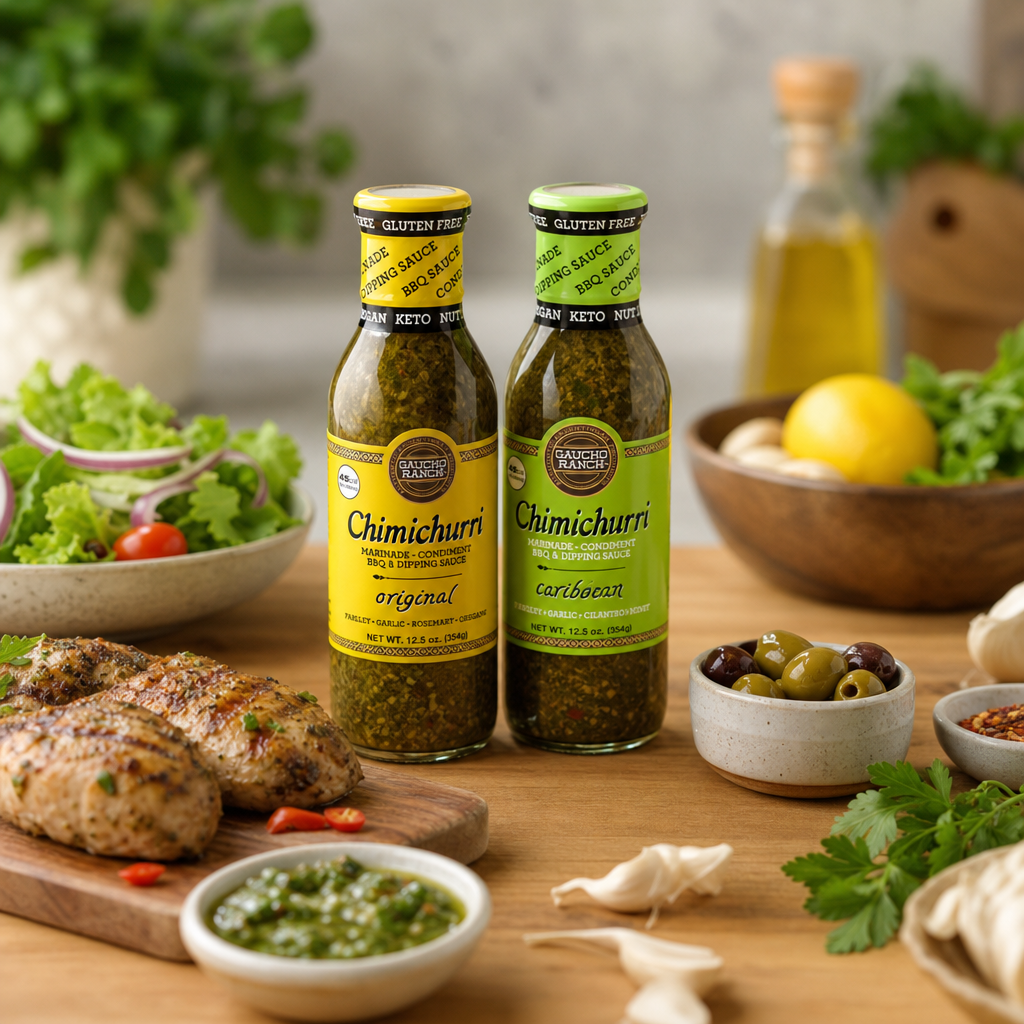
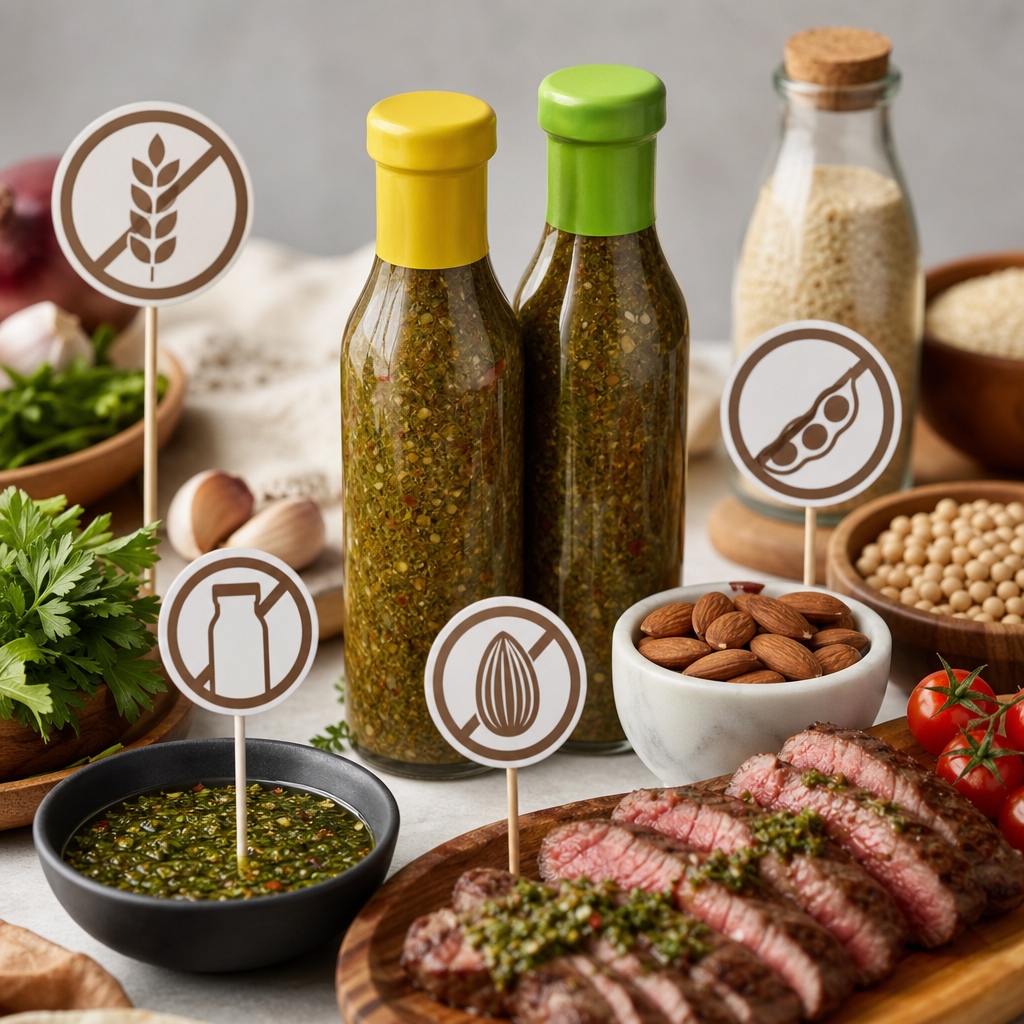
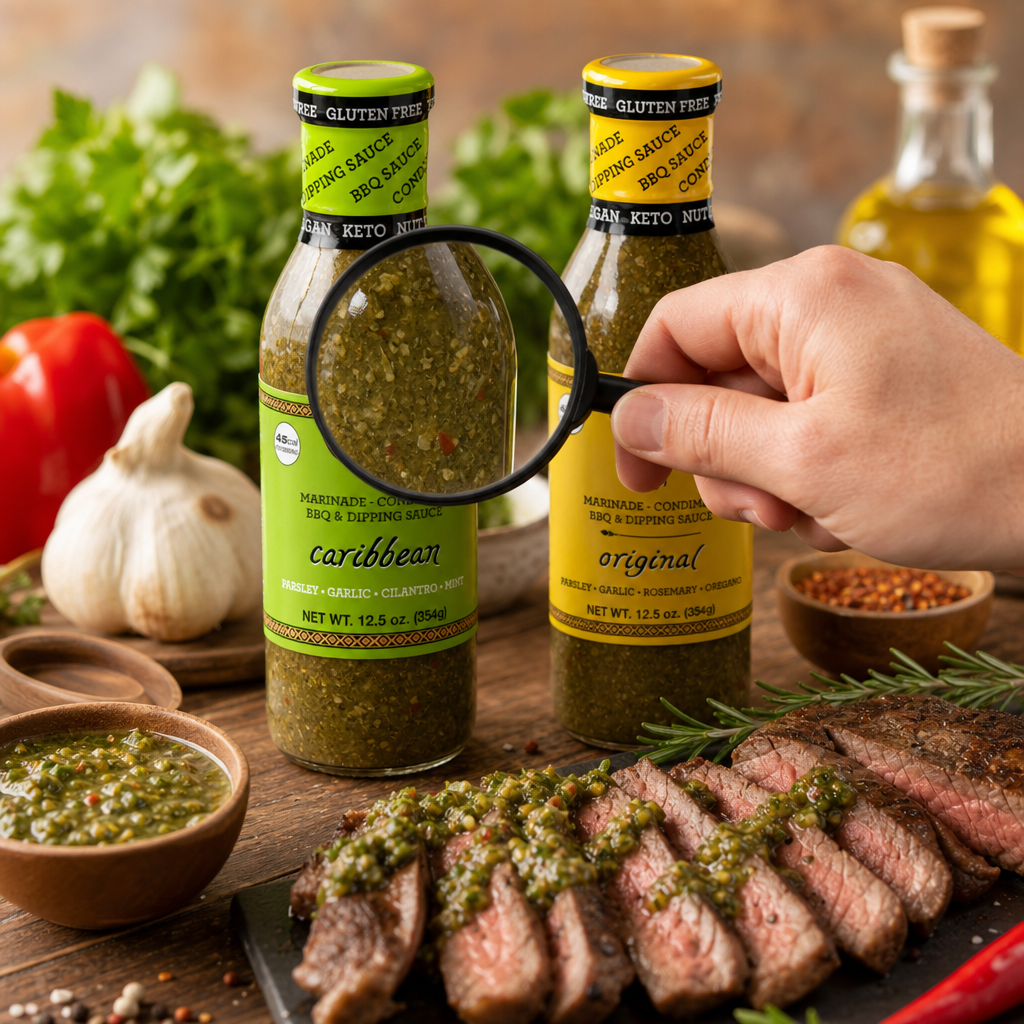
Beyond formal certifications, we label clearly for allergens. Our Gaucho Ranch Chimichurri sauces are nut-free, gluten-free, and made without artificial flavors or preservatives. Our N’DULCE Dulce de Leche products also carry these claims. When we say something is vegan or keto-friendly, that’s backed by our ingredient list and manufacturing practices.
This multi-layered approach takes more work and expense than resting on a single certification. But it reflects what we believe: that your safety deserves comprehensive attention, not just a checkbox.
What to do next: Look for products with multiple relevant certifications. If you have multiple dietary needs (kosher and gluten-free, for example), a product certified for both gives you more confidence than one certified for just one.
Our Approach: Kosher Plus Allergen-Conscious Manufacturing
Our philosophy is straightforward: we honor both kosher tradition and allergen safety as equally important commitments. They’re not in conflict, but they do require intentional, parallel attention.
When we developed our manufacturing protocols, we didn’t treat kosher certification as a separate checklist item from allergen management. Instead, we designed our facility and processes to support both simultaneously.
This shows up in concrete ways. Our ingredient receiving area has dedicated zones for different ingredient types. We maintain separate dry storage for our core chimichurri herbs and spices, keeping them away from potential allergen sources. Our production schedule is structured so that allergen-free products run during dedicated time blocks, with thorough cleaning between product runs.
Our team receives training on both kosher practices and allergen protocols. They understand not just what to do, but why these practices protect the people who will consume our products. When someone on our team reads “nut-free and gluten-free” on a label, they know the entire supply chain and production line have been designed with those commitments in mind.
We also stay current with evolving food safety research. Allergen science advances. Manufacturing best practices improve. We regularly review our procedures against current standards, whether that comes from the FDA, the certifying authorities we work with, or industry organizations.
What to do next: When choosing a specialty food brand, ask about their approach to certifications. Do they treat these as separate boxes to check, or as integrated commitments? Companies that can explain their processes clearly usually have invested in meaningful safety infrastructure.
How Our Chimichurri Sauces Protect Your Health
Our Gaucho Ranch Chimichurri sauces are crafted with authentic Argentinian flavor in mind, but we also recognize that many people choosing these products have strict dietary requirements.
Each of our chimichurri blends is made without artificial flavors or preservatives. We use real herbs, garlic, and oil as the foundation, then vary the heat levels and ingredient combinations to create different flavor profiles. This means what you taste is actual ingredients, not chemical approximations.
For those avoiding gluten, all our chimichurri sauces are gluten-free. We source our ingredients carefully and use our dedicated, allergen-conscious production processes. The kosher certification gives you additional assurance that these ingredients have been selected and handled under strict oversight.
We also offer zero-sugar, keto-friendly chimichurri options. If you’re managing your carbohydrate intake or following a keto lifestyle, these sauces deliver flavor without sugar or artificial sweeteners. The natural heat and herbaceous depth of chimichurri actually shines when you remove the sugar, letting the complex spice profile come forward.
For vegans, our chimichurri sauces are entirely plant-based. No animal products, no anchovies or fish-based components. This is particularly notable because many traditional chimichurri recipes include animal-derived ingredients. We’ve honored the authentic flavor while respecting the dietary choices of our customers.
The practical impact is that a vegan looking for kosher, gluten-free chimichurri isn’t forced to buy multiple products or compromise on flavor. One jar handles all three requirements.
What to do next: Stock your kitchen with a chimichurri sauce that matches your dietary profile. Use it as a finishing sauce for roasted vegetables, a marinade for grilled proteins, or a flavorful dip for bread and crudites. The authenticity of our ingredients means you’ll taste the difference compared to mass-produced alternatives.
How Our Dulce de Leche Meets Strict Dietary Needs
Dulce de leche is the caramelized, sweet essence of condensed milk, deeply rooted in Argentinian and Latin American tradition. It’s a indulgence. But indulgence and dietary accommodation don’t have to conflict.
Our N’DULCE Dulce de Leche line comes in different consistencies depending on how you want to use it. Our ice cream base dulce de leche has a pourable consistency perfect for swirling into ice cream or yogurt. The dulce de leche frosting is thicker and creamier, ideal for frosting cakes or filling pastries.
All our dulce de leche products are nut-free, gluten-free, and made without artificial flavors or preservatives. If you have a severe nut allergy, you can confidently use our dulce de leche in baking without worrying about hidden tree nut oils or almond flour contamination.
For those managing blood sugar or following a keto lifestyle, we understand that traditional dulce de leche, made by slowly caramelizing sweetened milk, is very high in sugar. We’ve developed dulce de leche options that fit these dietary patterns, letting you enjoy this beloved Latin American staple without derailing your health goals.
The kosher certification applies here too. Our dulce de leche is certified kosher, which means the milk source, any additives, and our production methods all meet those standards. Combine that with our allergen-conscious manufacturing, and you have a dulce de leche that serves both cultural and dietary needs.
What to do next: Experiment with dulce de leche in unexpected ways. Swirl it into Greek yogurt for a high-protein sweet, layer it in brownies, or use it as a topping for fresh berries. The intensity of genuine dulce de leche means a little goes a long way.
Decoding Labels: What to Look for Beyond Kosher
Food labels are dense with information, and not all of it carries equal weight for your needs. Once you understand how to read them intentionally, you’ll make more confident choices.
Start with the ingredient list. This is where you’ll see exactly what’s in the product, listed in order by weight. If an ingredient concerns you (refined sugar, for example, or a specific additive), you’ll spot it here. Our ingredient lists are intentionally short. Chimichurri should be herbs and oil, not a long chain of thickeners, colors, and preservatives.
Next, check the allergen statement. This is usually in bold or in a separate box. In the United States, it must clearly identify the presence of the “big eight” allergens: milk, eggs, fish, shellfish, tree nuts, peanuts, wheat, and soy. If a product is manufactured in a facility that also processes allergens, this should be disclosed (though labeling rules are still evolving in some cases).
Look for specific certifications relevant to your needs. Kosher symbols appear as a small graphic, usually on the front or back. Gluten-free certification looks different. Vegan and keto claims should be supported by ingredient lists. If a claim seems unusual or important to your health, ask the manufacturer for documentation.
Nutrition labels tell you about serving size, calories, macronutrients, and sometimes allergen information depending on the label type. For those managing blood sugar or following specific macronutrient targets, this section is crucial.
Finally, manufacturing dates and lot codes matter if you’re tracking a recall or investigating a reaction. Keep receipts and packaging for products you buy regularly, especially if you have severe allergies.
What to do next: Spend a few minutes comparing ingredient lists between brands. You’ll quickly notice the difference between products made with simple, recognizable ingredients and those built on a foundation of additives. Once you’ve tasted genuinely fresh, simply-made condiments, it’s hard to go back.
Making Confident Choices for Your Dietary Requirements
Dietary requirements, whether driven by allergies, cultural traditions, lifestyle choices, or health conditions, are deeply personal. The food you bring into your home should support your values and protect your health simultaneously.
The key is asking detailed questions and reading labels carefully. Don’t assume that any single certification covers all your needs. Kosher doesn’t mean allergen-safe. Gluten-free doesn’t mean nut-free. Clean-label doesn’t automatically mean allergen-free (though it usually helps). Each certification or claim tells part of your story, but you need the whole picture.
We’ve built our business around the belief that authentic flavor and rigorous safety standards enhance each other, rather than compete. When you choose Cordoba Foods products, you’re choosing items that have been thoughtfully manufactured with multiple commitments in mind. Our Gaucho Ranch Chimichurri sauces and N’DULCE Dulce de Leche are made with genuine ingredients, certified for kosher compliance, and produced in an allergen-conscious facility. They’re designed for people who take their dietary needs seriously and refuse to compromise on taste.
Your health decisions deserve products that support them fully. Whether you’re keeping kosher, managing an allergy, following a keto or vegan lifestyle, or simply seeking cleaner, more authentic condiments, we encourage you to explore our full product line. Visit our website to learn more about specific products and their certifications, and don’t hesitate to reach out with questions about how our manufacturing practices support your specific needs.
The meals you create matter. The ingredients you choose matter. And your confidence in those choices matters most of all.