Why Proper Storage Matters for Authentic Condiments
The flavors in our Gaucho Ranch Chimichurri sauces and N’DULCE Dulce de Leche spreads depend on fresh, natural ingredients and careful craftsmanship. When you store them right, those vibrant herb notes in chimichurri and the rich caramel depth in dulce de leche stay true to what we intended. When storage goes sideways, even the finest condiment loses its character.
We use no artificial preservatives or flavors in either product. That authenticity is a point of pride for us, but it also means these products respond to their environment. Temperature fluctuations, light exposure, and air contact all accelerate degradation. Proper storage isn’t just about food safety, though that matters too. It’s about preserving the culinary experience you paid for.
Think of it this way: you wouldn’t leave a bottle of fine olive oil in direct sunlight for weeks. Our products deserve the same consideration. A few simple storage habits mean the last spoonful tastes as good as the first.
Understanding Our Product Shelf Life Standards
Our shelf life estimates account for unopened, properly stored products in standard home conditions. For Chimichurri, an unopened jar or bottle maintains peak freshness for 24 months from the date of manufacture when kept in a cool, dark pantry. Dulce de Leche (both spreadable and multipurpose varieties) holds similarly well at 24 months unopened under the same conditions.
These timelines assume consistent room temperature and no exposure to extreme heat or moisture. The moment you open either product, the clock changes. Once opened, chimichurri stays fresh for about 30 days in the refrigerator, while dulce de leche lasts around 60 days when refrigerated in a sealed container.
We use SQF certification and rigorous quality standards in our manufacturing, which means every jar leaving our facility meets strict safety protocols. However, storage after purchase is in your hands. Even the best-made condiment won’t stay fresh if left on a warm shelf or exposed to repeated temperature swings. Knowing these windows helps you plan usage and avoid waste.
Temperature Guidelines for Chimichurri Sauces
Chimichurri’s bright, herbaceous profile comes from fresh parsley, oregano, garlic, and other aromatics suspended in oil. Heat and light are the enemies here. We recommend storing unopened chimichurri in a cool pantry between 50 and 75 degrees Fahrenheit, away from direct sunlight or heat sources like stoves and south-facing windows.
Once opened, move the bottle or jar to the refrigerator immediately. The cold slows oxidation and microbial growth, extending that 30-day window. Keep the cap sealed tightly after each use. If you notice the oil has begun to separate or pool on top, that’s normal and doesn’t indicate spoilage, but it does signal the herbs are aging. Shake or stir before using.
Don’t store opened chimichurri at room temperature, even for short periods. The oils in the sauce are prone to rancidity when exposed to warmth, and the fresh herb character fades quickly. Refrigeration is non-negotiable for opened containers. If your pantry runs consistently warm (above 75 degrees), consider moving unopened bottles to the fridge as well, though this isn’t necessary if your home stays moderate.
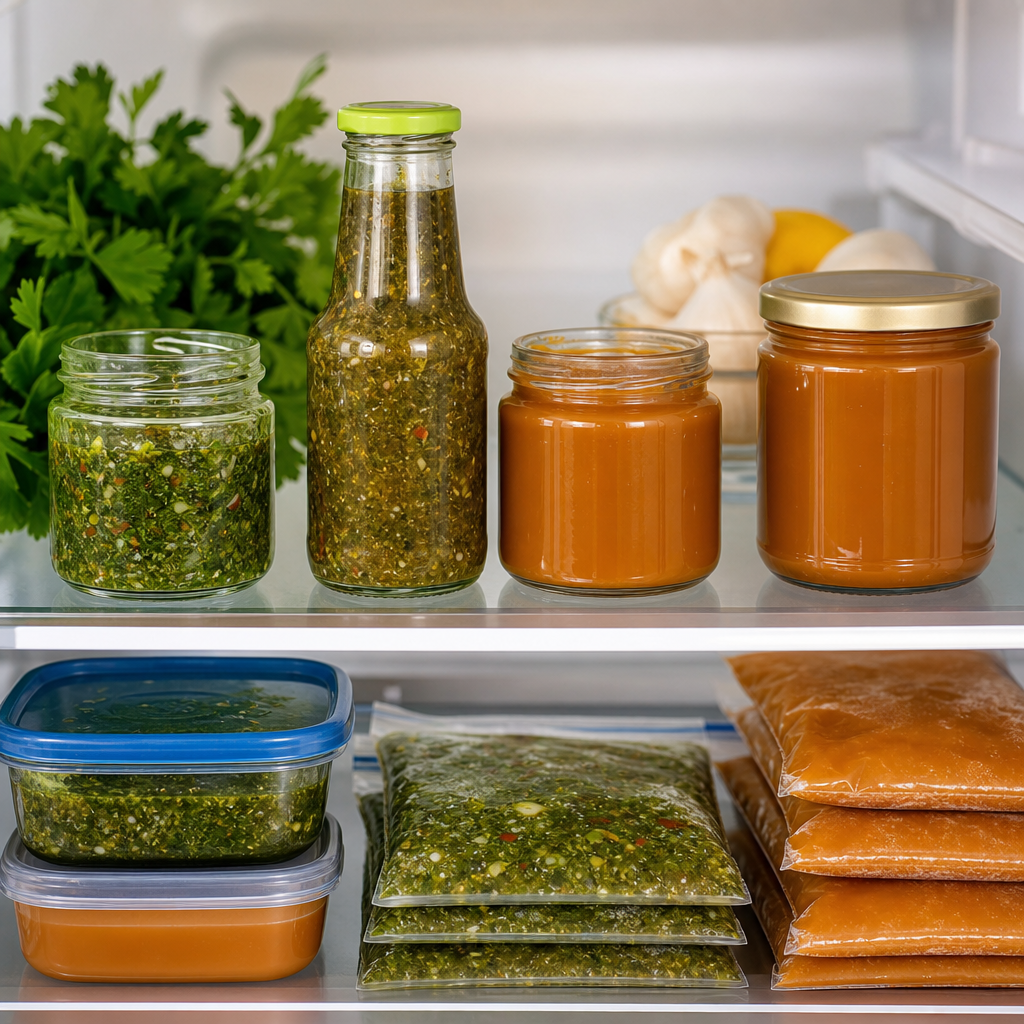
For those in hot climates or during summer months, be extra vigilant. A kitchen that hits 85 degrees will shorten freshness windows noticeably. Think of your refrigerator as the default home for any chimichurri you plan to use within the month.
Temperature Guidelines for Dulce de Leche Spreads
Dulce de leche is more forgiving than chimichurri when it comes to temperature, but it still has preferences. Our dulce de leche spreadable and dulce de leche multipurpose varieties can be stored unopened in a cool pantry at the same 50 to 75 degrees Fahrenheit. The dense caramel base is naturally stable and doesn’t oxidize the way oils do.
Once opened, dulce de leche benefits from refrigeration but doesn’t strictly require it if you consume it within a few days. For longer freshness, the refrigerator is the better choice, extending that opened window to around 60 days. The cold doesn’t harm the texture or flavor; it simply slows down any natural separation or crystallization around the edges.
If dulce de leche hardens slightly in the refrigerator, that’s expected. A quick warm water bath (submerge the sealed jar in hot water for a few minutes) softens it back to spreadable consistency without compromising quality. Never microwave directly in a glass jar, and always use a sealed container to prevent condensation from dripping into the product.
Heat accelerates caramelization changes in dulce de leche. A jar left on a warm counter or in a car on a hot day will develop a darker color and slightly different flavor profile. While it may still be safe to eat, it won’t taste like what we crafted. Keep opened containers cool and tightly sealed.
Unopened vs Opened Product Storage Differences
The difference between unopened and opened storage comes down to one thing: air exposure. An unopened jar creates a sealed environment where our products remain stable. Once you break that seal, oxygen enters and begins its work. The herbs in chimichurri will gradually lose vibrancy. The caramel in dulce de leche will very slowly change color and consistency.
For unopened products, a dark pantry at room temperature is ideal. A cabinet, closet, or interior shelf works perfectly. Avoid the above-stove cabinet or anywhere near heat vents. If you have extra stock, the basement or a cool closet extends shelf life even further. Many home cooks forget about bulk purchases and discover jars that have sat unopened for 18 months, still perfect because they were sealed and cool.
Once opened, treat the product like a fresh condiment. Chimichurri should be refrigerated immediately and used within 30 days for best flavor. Dulce de leche can sit at room temperature for a few days if you’re using it regularly (like a spread on morning toast), but moving it to the fridge extends usability to two months. Always reseal containers tightly. Leaving a jar open or loosely capped, even in the fridge, invites mold or off-flavors.
If you open a jar and realize you won’t use it quickly, transfer it to a smaller container if possible. This reduces the air space above the product and slows degradation. Or portion it into ice cube trays, freeze those portions, and thaw only what you need.
Best Practices for Freezing and Thawing Our Products
Freezing is an excellent way to extend the life of both our chimichurri and dulce de leche beyond their refrigerated windows. We recommend freezing opened or unopened products that you won’t use within the standard shelf life. Both products freeze well and maintain their quality for up to 12 months when properly stored.
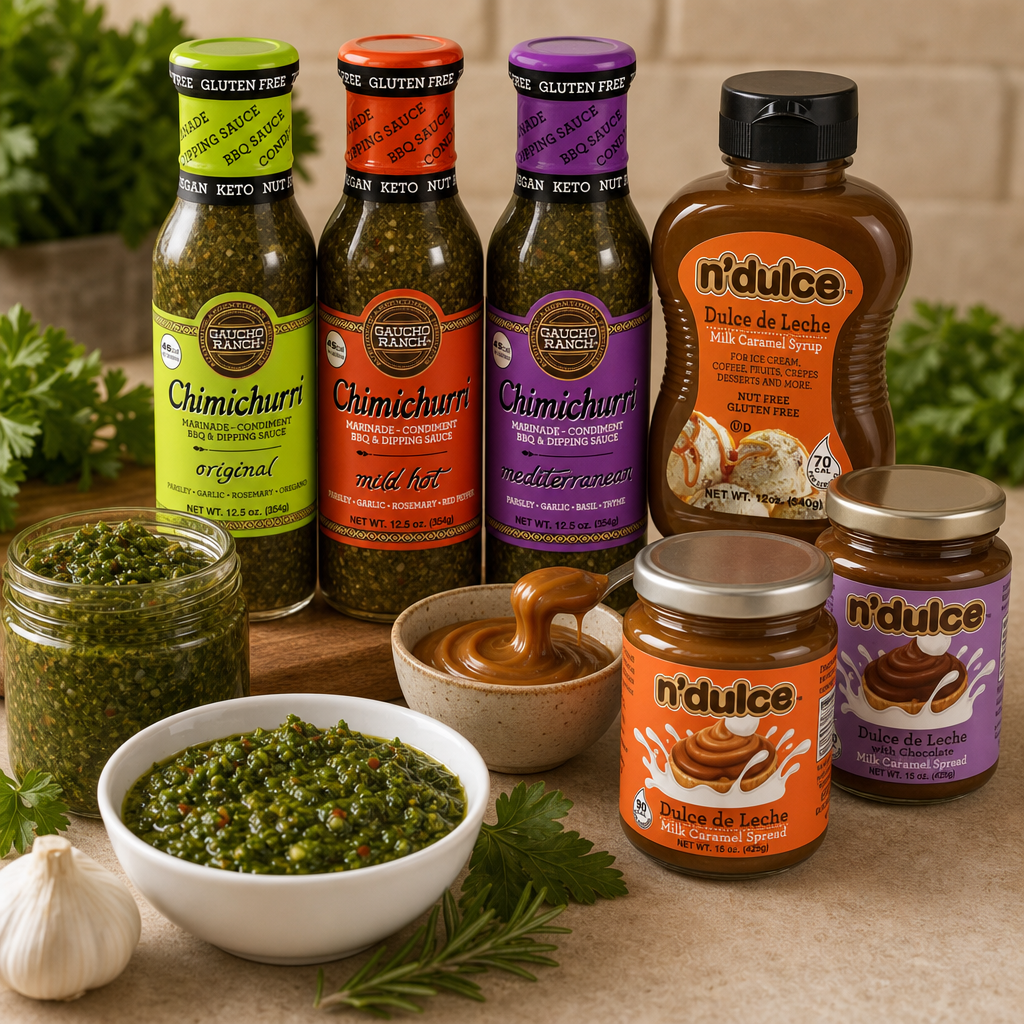
For chimichurri, freezing in ice cube trays works beautifully. Pour the sauce into trays, freeze until solid (about 4 hours), then pop cubes into a freezer bag and label with the date. Thaw individual cubes as needed for marinades, dressings, or finishing cooked meats. The herbs retain their character well through freeze-thaw cycles. Avoid repeatedly thawing and refreezing the same batch, as this degrades quality faster.
Dulce de leche freezes equally well. Transfer it to airtight containers or freezer-safe jars, leaving about a half-inch of headspace since the product expands slightly when frozen. Thaw overnight in the refrigerator or place the sealed container in a warm water bath for quicker thawing. Frozen dulce de leche maintains its creamy texture after thawing and works perfectly for spreading, swirling into desserts, or using in recipes.
When thawing, never use direct heat like the microwave on full power, as this can create hot spots and change the texture. Gentle, slow thawing in the refrigerator or a warm water bath preserves the smooth consistency you expect. Once thawed, use within the standard 30-day (chimichurri) or 60-day (dulce de leche) window. Do not refreeze products that have been fully thawed.
Recognizing Quality Changes and Spoilage Signs
Learning what normal aging looks like versus actual spoilage keeps you confident in using our products. For chimichurri, some herb settling and oil separation at the top is completely normal. Shake well before use and proceed without worry. What you want to avoid: a sour or vinegary smell, visible mold, or a musty odor. If the sauce smells off in any way, discard it.
With dulce de leche, minor color darkening over time is normal, especially if the jar was exposed to heat. What’s concerning: mold growth (visible fuzz or dark spots), a sour smell, or curdled appearance. Dulce de leche should be smooth and caramel-colored. If it looks grainy or separated in an unusual way, or if you detect any fermented smell, it’s time to toss it.
Both products should be discarded if they show signs of mold, off-putting odors, or if the seal was broken and the product sat unrefrigerated for more than a few hours. When in doubt, throw it out. Our products are made with integrity, and that means we’d rather you discard a questionable jar than risk consuming something compromised.
Trust your senses. Look, smell, and if needed, taste a tiny amount on your tongue. Your instincts about food are usually right. If something feels off, it probably is.
Maximizing Freshness Across Different Package Sizes
We offer chimichurri and dulce de leche in multiple sizes, from retail bottles and jars to bulk restaurant containers. Storage strategy shifts depending on what you’re working with.
For retail home sizes (like standard 15oz jars), the recommendations above apply directly. Keep unopened stock in the pantry, refrigerate after opening, and use within the stated windows. Most home cooks finish these sizes within that timeframe simply through regular use.
For larger bulk quantities, whether for a restaurant kitchen or catering operation, the math changes. A 55-pound bucket of dulce de leche or a case of chimichurri gallons will sit longer. In this case, storing unopened bulk containers in a cool storage room (ideally 50-65 degrees) becomes critical. Temperature stability matters even more with larger volumes because the product inside takes longer to equilibrate to temperature changes.
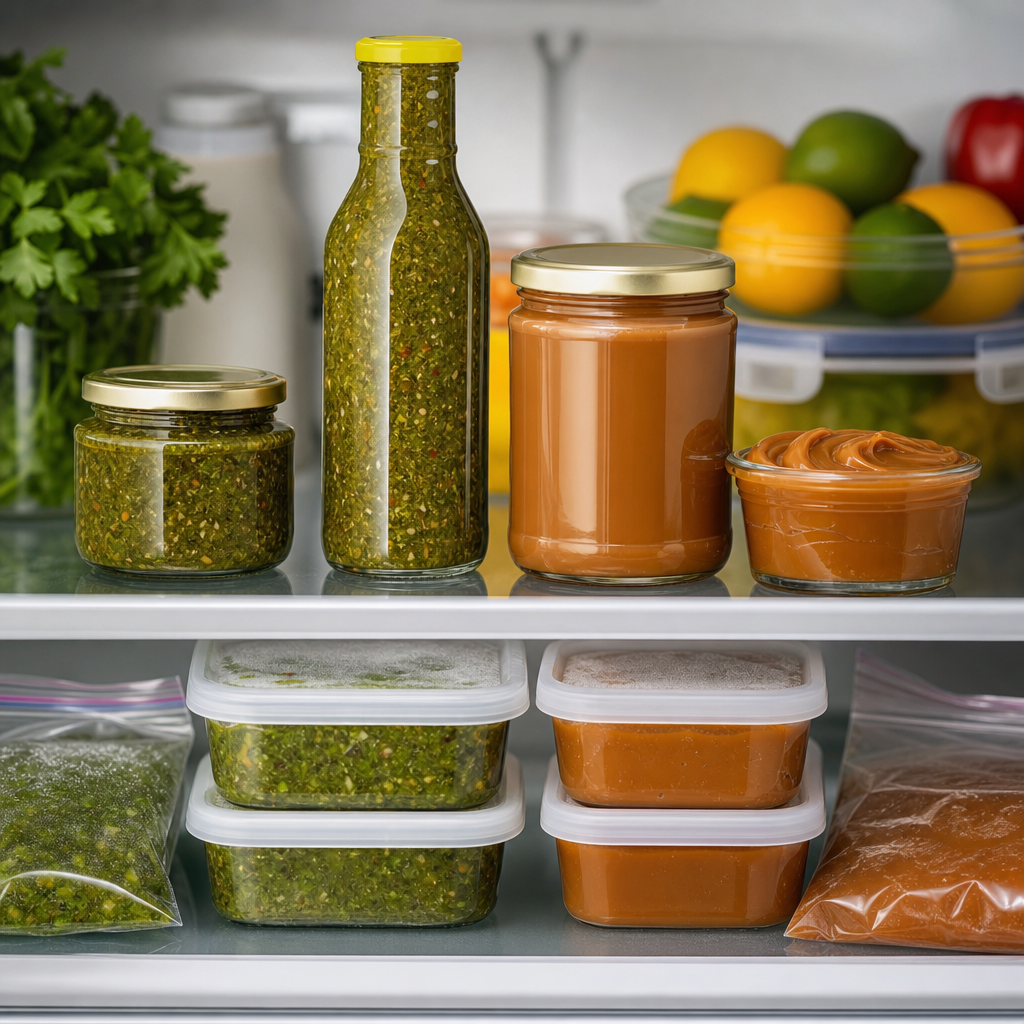
Once you open a bulk container, portion it immediately into smaller working containers for daily use. Keep only what you need accessible in your working kitchen; store the rest sealed and cool. This minimizes exposure for the bulk of the product while keeping operations efficient.
Label everything with the date opened. In a busy kitchen, unlabeled containers disappear into the back of the fridge and get forgotten. A simple date sticker prevents waste and ensures you’re rotating stock properly.
Storage Solutions for Commercial and Restaurant Use
Professional kitchens have different demands than home pantries, and we’ve designed our products with commercial use in mind. Our bulk dulce de leche and chimichurri sizes are SQF certified and built to perform in high-volume settings.
Invest in dedicated cool storage space if you’re moving volume. A dedicated shelf in your walk-in cooler, clearly labeled for our products, prevents cross-contamination concerns and keeps everything at ideal temperature. Opened bulk containers should always live in the cooler, sealed tightly after each use. A kitchen with inconsistent temperature control will burn through freshness quickly.
For high-use kitchens, freezing bulk portions works exceptionally well. Thaw only what you need for tomorrow, keeping the rest frozen and fresh. This approach turns a 60-day opened window into something that lasts months.
Train your team on proper handling. A staff that knows how to seal containers, respects the 30-day window for opened chimichurri, and understands why we don’t leave products at room temperature will get maximum value from our condiments. Taking five minutes to educate a new cook saves waste and maintains consistent flavor in your dishes.
Keep records if you’re a high-volume user. Note delivery dates, opening dates, and usage patterns. This intel helps you order better quantities and reduces waste over time.
Cordoba Foods Commitment to Long-Lasting Quality
From our family kitchen to yours, we pour care into every batch of Gaucho Ranch Chimichurri and N’DULCE Dulce de Leche. Our commitment doesn’t end when the product leaves our facility. We design our formulations, packaging, and shelf life standards to give you a product that ages gracefully and maintains its authentic character through proper storage.
We choose natural ingredients and skip artificial preservatives not because it’s trendy, but because it’s the right way to make these products. That choice means following proper storage matters. Our kosher certification, gluten-free formulation, and nut-free preparation reflect our attention to what goes into every jar. That same integrity guides how we want you to store and use what we’ve made.
Whether you’re a home cook looking to brighten weeknight dinners or a restaurant chef building your signature dishes, you deserve products that hold their promise. We stand behind our shelf life standards and welcome questions about storage. Visit us at cordobafoods.com to explore our full range and connect with our team if you need specific guidance for your use case.
Store thoughtfully, use generously, and taste the difference that proper care makes. That’s how we want you to experience Cordoba Foods.