The Problem With Mass-Produced Dulce de Leche
Dulce de leche holds a special place in Argentinian culture. It’s the soul of afternoon tea, the heart of countless desserts, and a taste that carries generations of tradition. But walk into most grocery stores and you’ll find shelves lined with versions that barely resemble the real thing. The difference between genuine dulce de leche and mass-market imposters comes down to simple choices: what goes into the jar and why.
If you’ve ever bitten into dulce de leche that tasted more like high-fructose corn syrup than caramelized milk, you’re not alone. Finding an authentic, clean-label option takes knowledge. We’re here to help you navigate the choices, spot the shortcuts, and discover what truly matters when selecting this beloved spread.
Most commercial dulce de leche in North America takes a shortcut: it replaces the slow, artisanal process of caramelizing sweetened milk with a quick combination of condensed milk, margarine, and added sugars. The result feels convenient and cheap, but it doesn’t taste like dulce de leche at all.
These mass-produced versions rely heavily on additives to extend shelf life and achieve uniform color and texture. Corn syrup, vegetable oils, and artificial thickeners dominate ingredient lists, transforming what should be a simple, elegant condiment into something cloying and hollow. The flavor becomes one-dimensional. The texture turns grainy or overly smooth. Most importantly, you’re consuming ingredients that contradict clean eating or dietary goals like keto or sugar-conscious living.
The marketing often claims “authentic Argentinian flavor,” but authenticity doesn’t happen in a factory assembly line where speed and cost override quality. When we taste these products, we’re reminded why we chose a different path: because people deserve better.
What Makes Argentinian Dulce de Leche Truly Authentic
Authentic dulce de leche begins with a single principle: milk and sugar, transformed through time and gentle heat into something magical. In Argentina, traditional production involves slow-cooking sweetened milk until the sugars caramelize and the mixture darkens to a rich amber or deep brown. This isn’t rushed. It takes hours. That patience is non-negotiable.
Real Argentinian dulce de leche has a smooth, creamy body that coats the back of a spoon. The flavor carries warmth, depth, and subtle complexity. You taste the milk, the caramel notes, perhaps a whisper of vanilla. There’s no artificial aftertaste or chemical edge. When spread on toast or stirred into coffee, it dissolves seamlessly rather than sitting heavy and cloying on your palate.
The color varies depending on cooking time and consistency desired. Some are light golden, others deep chocolate brown. This variation is a mark of authenticity, not inconsistency. Each batch reflects the natural progression of caramelization, not a standardized food coloring formula.
Argentinians also understand that dulce de leche serves different purposes: some prefer it thick enough to spread on alfajores cookies, while others want it pourable for drizzling or stirring. This flexibility in consistency represents another layer of authenticity. It respects the ingredient and its many uses rather than forcing one rigid product onto every application.
Understanding Clean-Label Ingredients in Dulce de Leche
Clean-label isn’t a buzzword; it’s a commitment to transparency. A truly clean dulce de leche contains only what it needs: milk, sugar, and possibly salt or vanilla for enhancement. Everything else is noise.
Let’s break down what you’re likely to encounter. Legitimate ingredients include:
- Whole or condensed milk (the primary flavor base)
- Sugar or cane sugar (the catalyst for caramelization)
- Natural vanilla extract (optional, for subtle depth)
- Sea salt (optional, for balance)
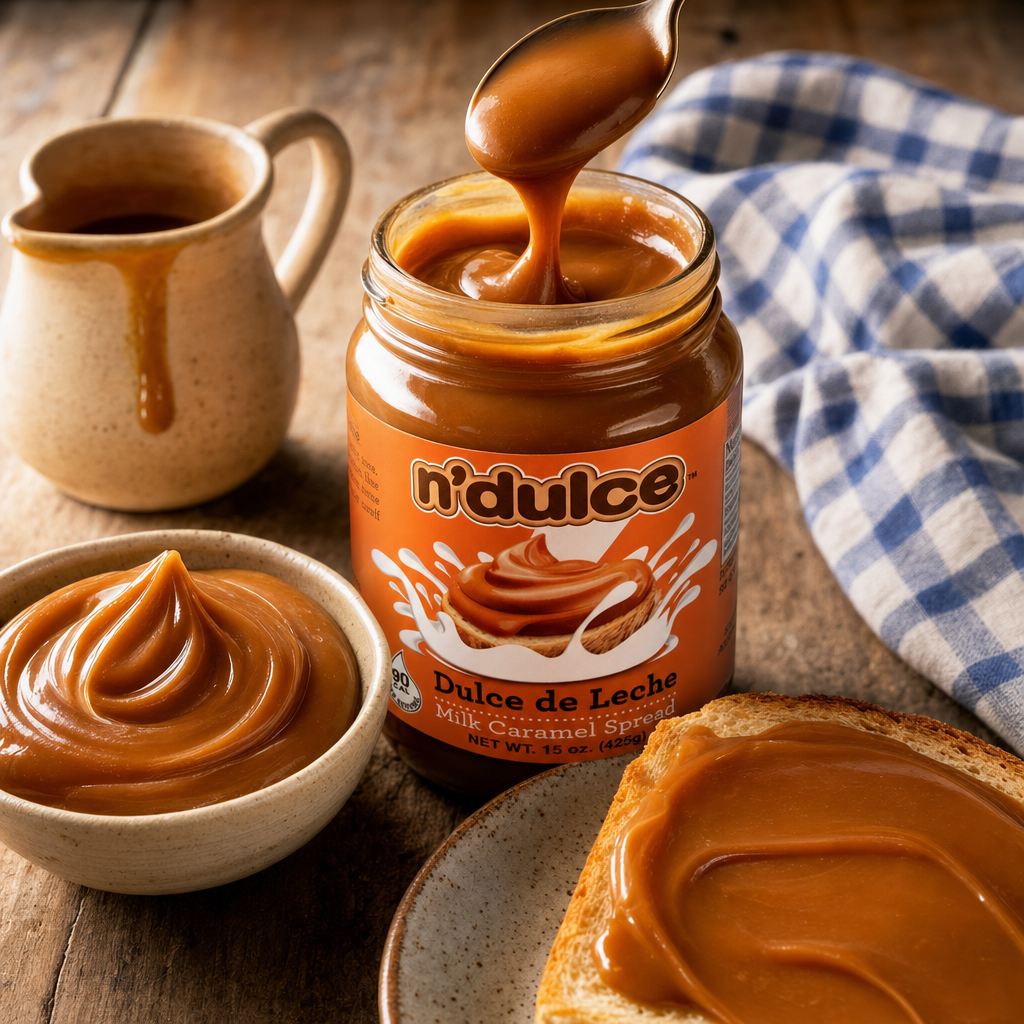
These are foods you recognize and understand. When you read the label, you don’t need to Google anything. That’s clean.
By contrast, watch for additions like cornstarch or modified corn starch, which are thickening agents masking thin or watery bases. Hydrogenated or partially hydrogenated oils extend shelf life at the expense of flavor and nutrition. Mono and diglycerides, soy lecithin, and various gums are emulsifiers meant to prevent separation and standardize texture. None of these belong in real dulce de leche.
The cleanest dulce de leche makers also skip artificial preservatives altogether. If a product relies on sodium benzoate or potassium sorbate as its safety net, it’s a sign that the base ingredients or process isn’t stable enough to hold up naturally. Real caramelized milk, when properly made and sealed, preserves itself.
Red Flags to Avoid When Shopping for Dulce de Leche
Before you buy, flip the jar over. Read every ingredient listed, and read it twice.
Red flags appear immediately if you spot more than five ingredients. Most questionable products contain nine, twelve, or even more. Each extra item usually masks a problem with the core product: inferior milk, insufficient caramelization, weak flavor requiring artificial flavor compounds, or texture issues requiring multiple stabilizers.
Watch for vague terms like “natural flavor” or “caramel color” without specifics. Manufacturers hide behind these phrases to avoid listing exact chemicals. Genuine caramel color in dulce de leche shouldn’t be present at all; the color comes from cooking the milk and sugar together.
Check the sugar content against the ingredient list order. Ingredients appear in descending order by weight. If sugar ranks second or third, that product prioritizes sweetness over milk flavor. In proper dulce de leche, the sweetness comes from cooking milk with sugar, not from adding extra sugar for intensity.
Also note the price point. Authentic dulce de leche costs more because it demands better milk, longer cooking times, and smaller batches. If the price seems too good to be true, the quality almost certainly is. Genuine products usually occupy the premium shelf space.
Finally, avoid anything labeled “dulce de leche flavor” or “dulce de leche spread.” These might not be dulce de leche at all; they’re milk-flavored products masquerading under the name.
How We Source and Craft Our N’DULCE Dulce de Leche
We start with a fundamental question: what would our families want to eat every day? That mindset shapes every decision we make at Cordoba Foods.
Our N’DULCE dulce de leche begins with high-quality whole milk, not condensed milk from concentrate. We combine it with pure cane sugar, then apply gentle, consistent heat over many hours. There are no shortcuts. No additives. No artificial anything. We let the milk and sugar do the work they’ve done for generations.
Our process respects the ingredient’s timeline. We taste the dulce de leche as it develops, understanding when it reaches the exact consistency and flavor depth we want. This artisanal approach means every batch has a soul. You taste the care in it.
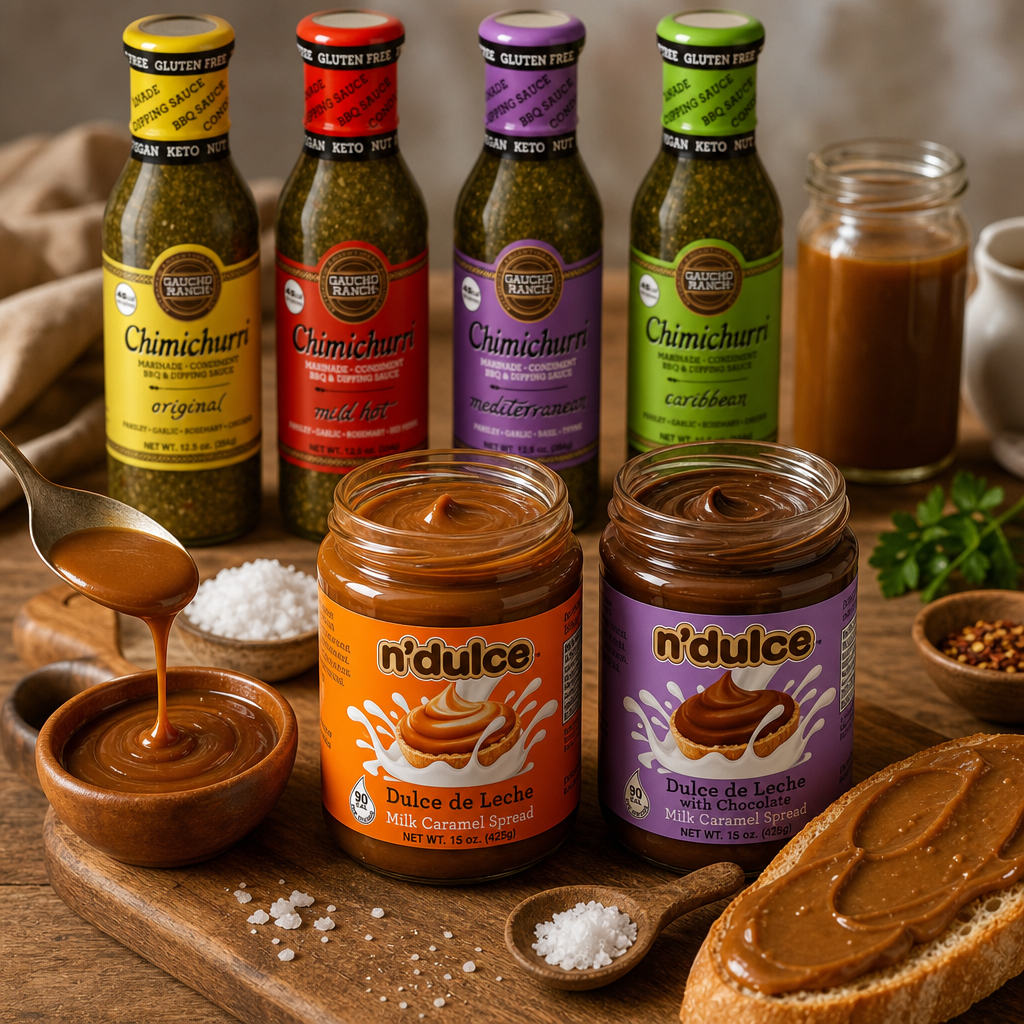
We also understand that our customers live modern lives with diverse needs. That’s why we offer our dulce de leche in different forms. Our spreadable version works beautifully on toast, in baking, or layered in desserts. Our syrup consistency pours smoothly into coffee, over ice cream, or into beverages. Both start from the same commitment to purity and authenticity.
We also formulated options for every lifestyle: zero sugar versions for keto and diabetes-conscious customers, vegan versions made with coconut or oat milk for plant-based diets, and consistently nut-free and gluten-free options so families with allergies never have to compromise.
Key Certifications and Standards That Matter
Certifications aren’t decoration. They’re proof that an independent third party verified our claims and processes.
We hold SQF (Safe Quality Food) Level 2 certification, which means our manufacturing facility, sourcing, and quality control meet rigorous food safety standards. An external auditor verifies this annually. This matters because it means someone beyond our walls confirms that what we say is true.
Our Kosher certification reflects our commitment to clean ingredients and transparent processes. Kosher certification bodies review our sourcing, production, and labeling with meticulous care. If we pass that scrutiny, consumers can trust the integrity of what’s in the jar.
We’re also proud to be gluten-free certified and nut-free certified. For families managing celiac disease, severe allergies, or cross-contamination concerns, these certifications provide peace of mind. We don’t just claim these attributes; we’ve documented our supply chain, equipment cleaning protocols, and testing procedures to prove it.
When shopping for authentic dulce de leche, look for at least one meaningful certification. It shows the maker has invested in accountability and transparency beyond legal requirements.
Choosing the Right Consistency for Your Needs
Dulce de leche consistency isn’t a flaw in production; it’s a deliberate choice based on intended use. Understanding this helps you select the right product for your lifestyle.
Thick, spreadable dulce de leche works best for toast, baking into cookies or cakes, and layering into alfajores or desserts. It holds its shape and doesn’t run when warmed. This consistency requires longer cooking or additional reduction to remove excess moisture.
Pourable syrup consistency flows smoothly into beverages, drizzles over ice cream, and swirls into yogurt or oatmeal. It’s thinner but still rich, making it versatile for morning routines or quick sweet moments throughout the day.
Some people keep both on hand. A spreadable jar lives in the pantry for baking and breakfast. A syrup bottle stays in the fridge for coffee and dessert toppings. This flexibility reflects how Argentinians actually use dulce de leche, not how factories decide to standardize it.
When you purchase, pay attention to consistency descriptions rather than assuming all dulce de leche is the same. One jar’s texture might frustrate you simply because it wasn’t designed for your intended use.
Why Shelf Stability Doesn’t Mean Compromising Quality
A legitimate question arises: how can dulce de leche remain shelf-stable without preservatives or refrigeration?
The answer lies in the caramelization process itself. When milk and sugar cook together at high heat for extended periods, the resulting chemical structure becomes naturally stable. The low water content (from extended cooking), high sugar concentration, and the Maillard reaction create an environment where microorganisms can’t thrive. It’s food chemistry working in your favor, not against it.
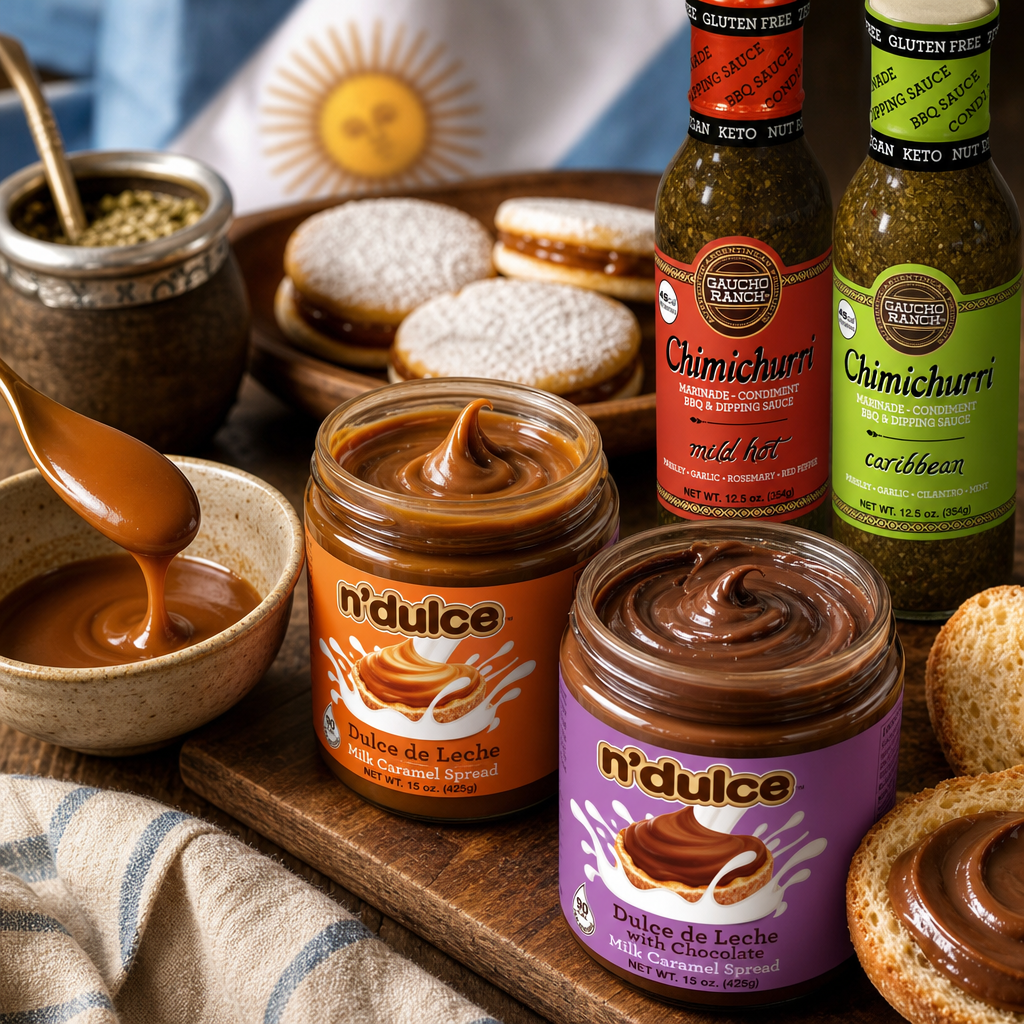
This is why authentic, artisanal dulce de leche keeps safely in the pantry for months without artificial preservatives. The cooking process does the preserving. No tricks needed.
Some manufacturers might add calcium chloride or other stabilizers to reduce cooking time or compensate for lower-quality milk. This is a red flag. Proper dulce de leche doesn’t need chemical reinforcement. If the label lists unexpected additives, ask yourself why. Probably because the base product isn’t robust enough to stand alone.
We’re confident in our dulce de leche’s shelf stability because we’ve done the work upfront. We invest the time in proper caramelization so the finished product doesn’t need crutches.
Our Commitment to Dietary Accommodations and Transparency
We know that “clean label” means something different to every family.
For customers managing diabetes or keto lifestyles, we created zero-sugar options sweetened with sugar alcohols that don’t spike blood glucose. For vegans avoiding all animal products, we offer dulce de leche made from plant-based milk alternatives that deliver the same caramelized richness. Everyone deserves authentic dulce de leche that fits their life.
We list every ingredient prominently and honestly. If something might trigger an allergy or sensitivity, we flag it. We don’t hide allergens in footnotes or use vague terminology. This transparency extends to our sourcing too. We’re proud to share where our milk comes from and how we select our sugar.
We’ve also invested in testing and certifications that back up our claims. When we say “gluten-free,” we’ve tested for it. When we say “nut-free,” we’ve verified our facility protocols. These certifications cost money and require ongoing commitment, but they’re non-negotiable because your family’s safety is non-negotiable.
Where to Find Real Argentinian Dulce de Leche
Finding genuine, clean-label dulce de leche requires knowing where to look.
Specialty food stores, gourmet markets, and Latin American grocers are your best bets. These retailers curate their selections and can speak to the sourcing and production methods of what they carry. Staff members often have genuine knowledge about the products, not just what a corporate merchandiser told them to stock.
Online specialty food retailers have also made authentic dulce de leche more accessible. You can read detailed descriptions, compare multiple brands, and have products shipped directly without settling for whatever sits on the nearest supermarket shelf.
Our Cordoba Foods products are available through our website at https://cordobafoods.com, where you can explore our full range and learn about each product’s specific attributes. We’ve also expanded our retail distribution in specialty grocery chains across the country.
When you find a dulce de leche you love, stick with it. Quality makers build relationships with customers over time, refining their craft based on feedback and maintaining consistent excellence. You’re not just buying a product; you’re supporting a philosophy about how food should be made.
—
Choosing authentic, clean-label dulce de leche means understanding what you’re eating and why it matters. Real dulce de leche tastes better, nourishes you better, and aligns with your values around quality and transparency. Look for simple ingredients, meaningful certifications, and makers who care enough to explain what they’re doing and why. Your taste buds, and your family’s health, will thank you.