Why Accurate Portioning Matters for Your Bottom Line
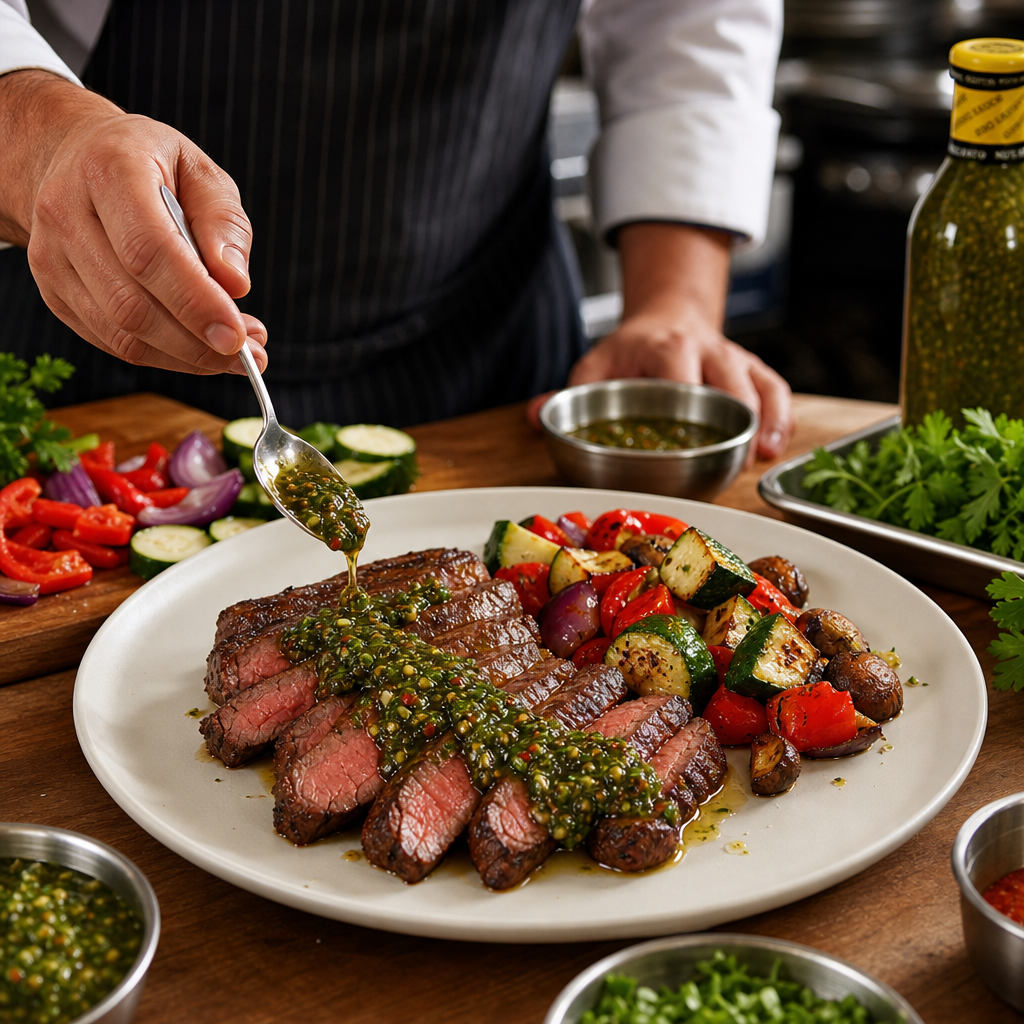
Every plate that leaves your kitchen tells a financial story. When a chef plates a grilled steak with chimichurri, adds a side of roasted vegetables, and finishes with a drizzle of premium sauce, the difference between profitability and waste often comes down to one thing: precision portioning. We know from working with chefs and food service professionals across the country that controlling portions isn’t about skimping on generosity. It’s about understanding the exact cost of every ingredient that touches your plate so you can make confident pricing decisions and protect your margins without compromising the authentic, high-quality experience your customers expect.
Picture this: your restaurant serves 200 covers on a Friday night. If each plate uses just half an ounce more protein than intended, you’re not looking at a small overage. You’re looking at 6 extra pounds of food cost that cuts directly into profit. Multiply that across weeks and months, and suddenly your margins shrink from healthy to concerning, even when sales remain strong.
Accurate portioning is the difference between running a kitchen that feels chaotic and one that operates with intentional control. When every plate is consistent, you eliminate the guesswork that leads to waste. You also build customer trust because regulars know exactly what they’re paying for and receiving.
The stakes go beyond cost. Consistent portions affect kitchen speed, staff morale, and how efficiently you manage inventory. When your team understands the exact portions you expect, prep becomes faster, plating becomes smoother, and food waste decreases naturally.
Start tracking your current portion sizes for your top 10 menu items this week. Weigh or measure what you’re actually serving, not what you think you’re serving. This baseline is everything.
Understanding Yield Percentages and Kitchen Efficiency
Yield percentage is how much usable product you get from raw ingredients after trimming, cooking loss, and processing. If you start with 10 pounds of raw beef brisket and end up with 6 pounds of cooked, trimmed product ready for service, your yield is 60 percent. Understanding this number is crucial because it’s the gap between what you buy and what you actually serve.
Different ingredients have dramatically different yields. A head of lettuce might yield 75 percent of its raw weight after removing the core and wilted leaves. A whole chicken might yield only 65 percent after removing bones and skin. Premium cuts of meat can have higher yields than tougher, cheaper cuts that require more trimming or cooking loss management.
Here’s where it gets practical: if you’re calculating the cost per plate, you cannot use the wholesale price of raw ingredients. You must account for yield loss. The real cost per usable ounce is the wholesale price divided by the yield percentage. So if beef costs $8 per pound wholesale and your yield is 70 percent, your true cost per pound of finished product is $8 divided by 0.70, which equals $11.43 per pound.
This calculation changes everything about menu pricing and profitability. Many chefs underprice dishes because they didn’t account for yield loss. Track yield percentages for your primary proteins and vegetables by actually measuring them. Use those numbers to recalculate your true ingredient costs, and you’ll likely discover opportunities to either adjust pricing or find more efficient sourcing.
Calculating True Cost Per Plate with Precision
True cost per plate means accounting for every single ingredient that touches that dish, from the protein to the garnish to the sauce. Many chefs stop at the main ingredient and miss the cumulative effect of smaller components that add up quickly.
Let’s walk through an example. Suppose you’re serving a grilled chicken breast with roasted vegetables and a chimichurri finishing sauce. Here’s what you need to account for:
- Chicken breast: 6 ounces, $2.80
- Seasonal vegetables: 4 ounces, $0.65
- Chimichurri sauce: 1.5 ounces, $0.42
- Plate garnish and seasoning: $0.13
Total food cost for that plate is $4.00. If your target food cost percentage is 28 percent (a reasonable target for most restaurants), you need to charge $14.29 for that dish minimum.
The challenge most kitchens face is they’re not tracking every component. That splash of finishing oil, the salt and pepper, the herb garnish, the bread basket that comes with the entree. Each one costs money. Each one matters.
Create a spreadsheet for your top-selling dishes. List every single ingredient with its portion size and cost. Include the oil, the butter, the seasonings. Use your current wholesale pricing to calculate the exact food cost per plate. You might be surprised how many dishes are underpriced or how much waste is hidden in “miscellaneous” line items.
How Premium Ingredients Affect Your Margins
Using authentic, high-quality ingredients like our Gaucho Ranch Chimichurri or N’DULCE Dulce de Leche does impact your food cost per plate. A premium artisanal chimichurri sauce costs more per ounce than a basic bottled alternative. But here’s what many chefs miss: premium ingredients allow you to charge premium prices and often require smaller portions because they’re more flavorful and satisfying.
When a customer experiences an authentic, vibrant chimichurri made with natural ingredients and no artificial flavors, they’re tasting the difference. That perception justifies higher pricing. A 1.5-ounce portion of a truly exceptional sauce feels generous and memorable, whereas customers would want 3 ounces of a thinner, less flavorful alternative to feel satisfied.
This is where yield management becomes strategic. Premium ingredients often have better yield percentages because they’re processed more carefully and have less waste. They also perform better in your kitchen. A high-quality sauce won’t separate or lose quality during holding like cheaper alternatives might, reducing waste during service.
The margin calculation changes too. If your standard sauce costs $0.28 per ounce and you use 1.5 ounces, that’s $0.42 in cost. If a premium sauce costs $0.35 per ounce but you only need 1 ounce to achieve the same impact, that’s $0.35 in cost, plus you can charge 20-30 percent more for the elevated experience. Your margin actually improves.
Evaluate your current condiment and sauce situation. Calculate the true cost per plate when you account for portion size reduction with premium products. The analysis often reveals that upgrading to quality ingredients is a margin-positive decision.
Standardizing Portions Across Your Menu
Consistency is the foundation of profitability and customer satisfaction. When one server plates an entree with 8 ounces of protein and another plates the same dish with 6.5 ounces, you’re creating multiple problems: food cost variance, customer expectations that don’t match, and staff confusion about standards.
Standardization starts with documentation. For every plated dish, define the exact portion size for each component. Use weight when possible because volume measurements (cups, tablespoons) are too variable, especially for cooked items that compress or expand. Write down the plating procedure, the temperature at service, and the specific tools used (which spoon, which sauce boat, which plate size).
Post these standards in your kitchen. Laminated placards at the plating station cost next to nothing and prevent constant questions. Train new staff by actually showing them what the portion looks like on the actual plate they’ll use for service, not just describing it verbally.
Build in regular audits. Once a week, weigh 3-5 plates from each station and compare them to your standard. Track the variance. If your entree is supposed to be 6 ounces of protein but you’re regularly plating 6.8 ounces, that’s 13 percent over standard. Across 300 covers a week, that’s an extra 25 pounds of food cost that’s eroding profit.
Have your team involved in standardization. When chefs and servers understand why portions matter and feel ownership over the standard, they’re more likely to maintain consistency without resentment. It’s not about eating less food; it’s about intentional control and respecting the business.
Using Authentic Sauces and Spreads to Streamline Costs
Sauces and spreads are efficiency tools that chefs often overlook from a cost management perspective. A well-made chimichurri or dulce de leche can do multiple jobs on your menu, reducing your ingredient inventory and simplifying prep.
Consider how a quality chimichurri works across different dishes. It’s a finishing sauce for grilled meats. It’s a marinade or base for empanada fillings. It’s a component in compound butters. It’s a condiment served on the side. One high-quality, versatile sauce replaces three or four specialty ingredients that each require storage space, have their own yield challenges, and can expire or spoil separately.
This consolidation cuts costs in multiple ways. Your prep kitchen becomes simpler because you’re working with fewer components. Your inventory turns faster because you’re using higher volumes of fewer items. You reduce waste because you’re not throwing out small amounts of specialty ingredients that didn’t sell.

When you choose authentic sauces like our Gaucho Ranch Chimichurri, you’re outsourcing the complexity of making a traditional recipe from scratch in-house. The cost per ounce might seem high compared to basic condiments, but when you factor in labor, equipment, storage, and waste from in-house production, the math often favors quality sourced products.
Similarly, Dulce de Leche with different consistencies (spreadable versus spoonable) allows you to create multiple dessert applications without maintaining separate products. A spreadable consistency works for filling pastries or spreading on toast. A thicker consistency works for layering cakes or serving with churros.
Audit your current sauce and condiment spend. Calculate the total cost of items you make in-house, including labor, versus sourcing high-quality finished products. Many kitchens discover they can improve quality while reducing total cost.
Implementing Portioning Tools and Systems
The right tools remove guesswork and make consistency effortless. Your team should never rely on eyeballing portions for any ingredient where precise cost control matters.
Invest in a quality kitchen scale that’s accurate to 0.1 ounces. Digital scales are worth the cost. Use them during prep to portion proteins, grains, and vegetables into individual service sizes. Label and store preportioned items clearly so servers can grab the right amount without calculation during service.
For sauces and liquids, graduated squeeze bottles or portion pumps work beautifully. A 2-ounce squeeze bottle holds exactly 2 ounces of chimichurri or sauce. When your plating station is set up with the right size containers and tools, consistency happens naturally. Staff doesn’t have to think about it.
Scale cups and portion spoons are helpful for items like rice, vegetables, or garnishes. A 4-ounce scale cup ensures every rice portion is identical. A 0.5-ounce portion spoon makes garnishing consistent.
Create a “portioning station” where your team calibrates before service begins. Have them plate one example dish using your standard portions and weigh it. This takes 2 minutes and acts as a quality check before the rush. If the example plate is off, you catch it before 100 customers are served inconsistent portions.
Your POS system should also reflect your portion sizes. If your menu item says “8-ounce grilled chicken,” make sure your team knows that’s the cooked weight and it requires 11 ounces raw (accounting for about 27 percent cooking loss in chicken). POS accuracy feeds inventory accuracy, which feeds cost control.
Common Portioning Mistakes That Drain Profits
One mistake happens in the gap between menu description and actual service. You describe a dish as “generously portioned” on the menu, but never actually define what that means in ounces. One server interprets generous as 8 ounces of protein; another interprets it as 10. Your costs swing 25 percent without capturing that variance in price.
Another costly error is failing to account for serving utensils and containers. If your sauce is served in a 2-ounce ramekin and your staff regularly fills it to the brim because it “looks better,” you’re using 2.3 ounces instead of 2. That seems trivial until you multiply it across 300 covers per week. You’re giving away 7 pounds of sauce monthly because the ramekin was filled too full.
Many chefs don’t account for the cost of plating mise en place. That smear of aioli on the plate, the microgreens, the finishing salt, the oil drizzle. Each one has a cost. When you add up all the small garnish costs across your menu, they often represent 3-5 percent of your food cost that most chefs haven’t explicitly calculated.
Portion inflation happens gradually. A dish starts at 6 ounces of protein. A month later, your team is serving 6.3 ounces because that’s how much scoops naturally. Six months in, it’s 6.8 ounces. By year-end, you’re serving 7.5 ounces and wondering why margins have tightened.
Avoid these mistakes with quarterly portion audits. Weigh 10-15 plates per dish, calculate the average, and compare to standard. Document the variance. If it’s above 5 percent, retrain your team. If it’s below 2 percent, celebrate and acknowledge that consistency.
Creating Consistent Quality While Managing Expenses

The goal isn’t to cut costs; it’s to control them without sacrificing quality. Your customers should never taste the difference between two visits. The seasoning level should be identical. The portion should feel the same. The cooking temperature should be consistent.
This requires systems that support quality, not compromise it. Your kitchen needs adequate equipment so staff isn’t rushed and making mistakes. It needs organized storage so ingredients stay fresh. It needs clear recipes so every team member follows the same procedure.
When you’re serving high-quality ingredients like authentic artisanal sauces, consistency becomes even more important. The sauce has more flavor, more complexity, more character. If your technique, temperature, or plating changes, customers will notice. Conversely, when your execution is consistent, premium ingredients shine and customers feel confident paying premium prices.
Build consistency through training that emphasizes why precision matters. Show your team the margin math. Explain that when a dish costs you $5.50 in food and sells for $16, you need that standard to hold or the dish moves from profitable to barely breaking even. When staff understands the stakes, they care more about getting it right.
Cross-train your team across multiple stations so several people can execute each dish to standard. When one person is the only one who knows how to plate a dish correctly, you have vulnerability. If they call in sick or leave, quality dips.
Building Your Kitchen’s Portioning Standard Operating Procedures
Your SOP for portioning should be written, specific, and accessible to everyone. Don’t keep standards in your head or in scattered notes. Create a document that lives in your kitchen and online where staff can reference it.
Start by listing every plated dish on your menu. For each dish, define:
- Total plate weight if applicable
- Portion size of each major component in ounces or grams
- Cooking temperature and method
- Plating arrangement with specific tools or techniques
- Garnish components and portion sizes
- Estimated food cost per plate (updated quarterly)
Include photos if possible. A picture of the plated dish at standard portion size is worth a thousand words. Laminate these photos and post them at plating stations.
Next, create a training checklist for new staff that walks them through portioning standards. Have them shadow an experienced team member, then execute the dish independently while being observed. Sign off when they demonstrate consistency.
Establish a monthly portioning meeting where you review the previous month’s audits, discuss any portion creep, and reinforce standards. Make it collaborative. Ask staff what challenges they’re facing in maintaining portions and problem-solve together.
Document your supplier specifications too. If you’re using quality sauces or ingredients, include the supplier, the product specification, and the portion used. When a supplier changes their product slightly (which happens), you’ll catch it because your standard is documented.
Finally, tie portioning performance to kitchen metrics. Track your food cost percentage week by week. If it climbs, you know to check portions. If it stays stable, acknowledge the team’s consistency. Make portion control a visible, valued part of your kitchen culture.
Your portioning system is your foundation for profitability. When every plate costs what you expect and sells for what you intend, your margins protect themselves. The team knows what’s expected. The kitchen runs smoother. Quality stays consistent. And customers keep coming back because they know exactly what they’re getting.
Start this week: choose three of your most popular dishes, weigh them across three separate service periods, calculate the average portion size, and compare to what you intended. That baseline is your first step toward intentional, profitable portioning.
Contact us for retail and foodservice inquiries at 877-240-3744