1. Coconut Milk Caramel: Rich Flavor Without Dairy Constraints
When you’re working with plant-based diets, allergen restrictions, or just exploring what modern baking can offer, dairy-free dulce de leche alternatives open up a whole new world of possibilities. Whether you’re a home baker accommodating guests or a pastry chef building a menu that speaks to today’s dietary landscape, finding the right substitute goes beyond just swapping ingredients. It’s about matching texture, sweetness, and that deep caramel complexity that makes dulce de leche so craveable in the first place.
We’ve spent years perfecting caramel-based products that honor authentic flavors without compromise. In this guide, we’ll walk you through seven proven dairy-free options, show you how each one performs in different baking applications, and explain why we’ve chosen a plant-forward approach to our own dulce de leche line.
Coconut milk caramel delivers that luscious, velvety mouthfeel you’d expect from traditional dulce de leche. Full-fat canned coconut milk contains enough fat and solids to create genuine richness when you slow-cook it with sugar and a touch of salt.
Here’s what makes coconut milk caramel stand out:
- Natural coconut flavor that complements vanilla, chocolate, and spiced desserts
- Higher fat content than other plant-based milks, creating authentic caramel body
- Stable at room temperature for fillings and spreads
- Works beautifully in tarts, layered cakes, and pie fillings
For best results, use full-fat coconut milk and cook it low and slow. A typical batch takes 2 to 3 hours of gentle simmering to reach that deep amber color. The longer you cook, the more concentrated the flavor becomes. Just watch for the mixture sticking to the pan’s edges, and stir occasionally to ensure even caramelization.
One practical tip: strain out any lumps through a fine sieve before using in delicate desserts. This gives you the smooth texture your guests expect.
2. Oat Milk Caramel Sauce: Creamy Texture for Fillings and Toppings
Oat milk caramel offers something many bakers overlook: a naturally mild flavor that doesn’t compete with other ingredients. Because oats have a subtle, almost neutral sweetness, the caramel becomes the star without any background interference.
The benefits of oat milk for caramel-making include:
- Smooth, stable texture that won’t separate or curdle during baking
- Lower fat than coconut milk but still creates a pourable, luxurious sauce
- Works especially well for drizzling over cakes and pastries
- Blends seamlessly into buttercream frostings
Oat milk caramel works particularly well when you want to layer it into cakes or use it as a topping where flow and coverage matter. Since oat milk contains natural thickeners, your final caramel sets slightly firmer than coconut versions, making it ideal for structured applications like cheesecake swirls or brownie centers.
A helpful technique: if your oat milk caramel becomes too thick after cooling, gently warm it with a splash of plant-based cream to loosen the texture back to your preferred consistency.
3. Almond Milk Caramel: Light Alternative for Delicate Desserts
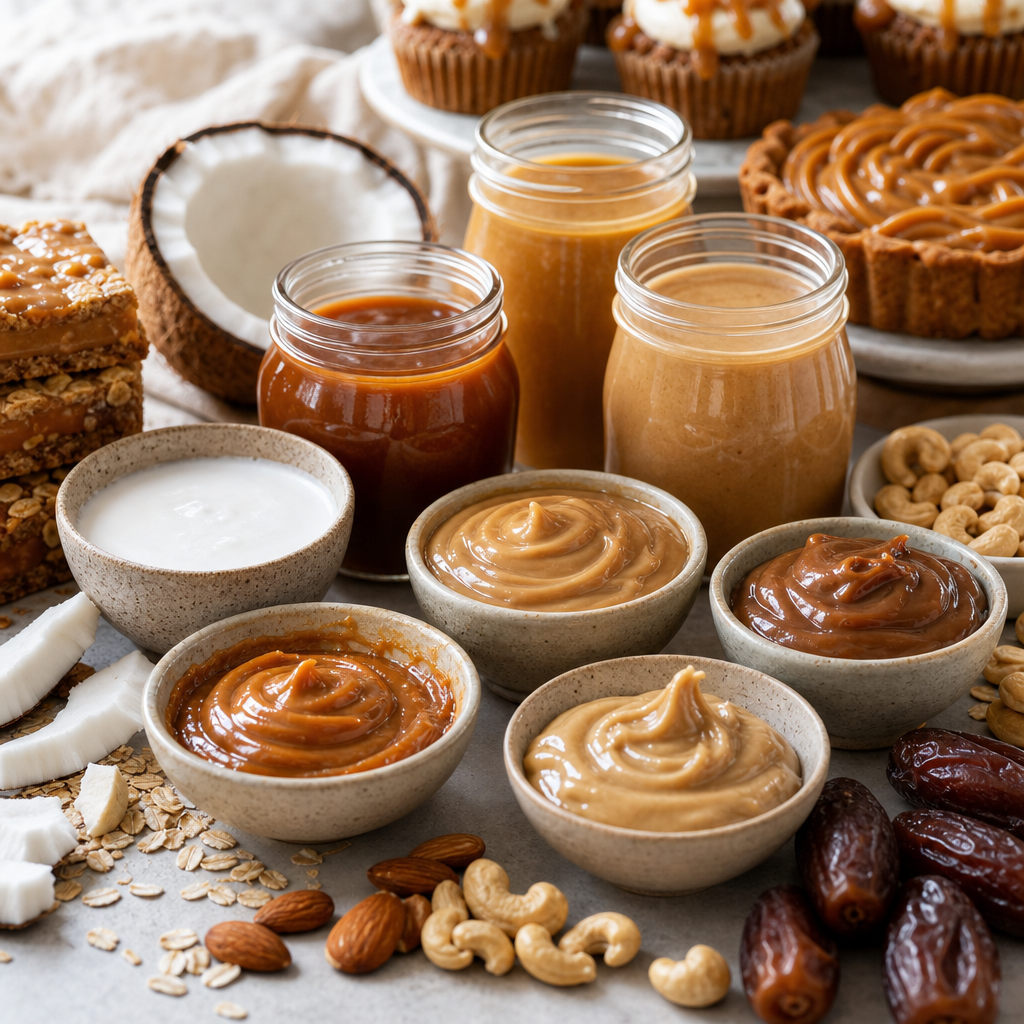
Almond milk caramel shines when you need something with a lighter touch. Its thinner consistency means your finished caramel will be more pourable and less dense, perfect for desserts where heavy sweetness would overwhelm delicate flavors.
Why bakers choose almond milk caramel:
- Lower fat content creates a more refined, less heavy sauce
- Clean flavor profile that doesn’t mask floral or subtle spice notes
- Works beautifully in cream pies, tarts, and custard-based desserts
- Less likely to separate if you need to thin or adjust consistency
The challenge with almond milk is achieving genuine depth of color and flavor. Since it has less fat to carry caramel notes, you’ll need to cook longer and watch more carefully for the moment when the sugar reaches true caramel rather than just melted brown sugar. The payoff comes in elegantly balanced desserts where the caramel plays a supporting role rather than commanding the plate.
Keep your heat moderate and your attention focused. Almond milk caramel can tip from perfectly golden to bitter more quickly than richer options.
4. Cashew Cream Caramel: Premium Taste Profile for Upscale Baking
If you’re aiming for the most luxurious mouthfeel available in the plant-based world, cashew cream deserves your attention. Cashews are naturally buttery and rich, creating a caramel with an almost silky, mouth-coating sensation that rivals traditional dairy-based dulce de leche.
Cashew cream caramel excels in these applications:
- High-end pastries, tarts, and fine dining dessert presentations
- Layered cakes where texture contrast enhances the overall experience
- Fillings for pastries that need real staying power
- Desserts where the caramel is featured as the main flavor story
The investment is real. Fresh, quality cashews cost more than other alternatives, and you’ll spend time soaking and blending them into cream before even starting the caramel process. But the result tastes like you’ve worked magic. The natural sweetness and fat content mean you can use less added sugar while still achieving that deep, satisfying flavor.
Professional bakers who’ve switched to cashew cream caramel often find they don’t need to oversweeten their desserts anymore. The caramel itself carries enough subtle complexity to feel complete.
5. Date-Based Dulce de Leche: Natural Sweetness for Health-Conscious Bakers
Date-based caramel takes a different approach entirely. Rather than cooking milk down, you’re working with the natural sugars in dried dates, blending them smooth and concentrating their inherent sweetness. This approach appeals to bakers avoiding refined sugar or seeking cleaner ingredient lists.
The benefits of date-based dulce de leche:
- Whole-food ingredient with no processing beyond drying and blending
- Natural fiber content adds subtle depth and prevents spiking blood sugar
- Rich brown color and complex flavor develop without any caramelization
- Works beautifully for health-conscious or paleo-friendly desserts
Dates bring minerals like magnesium and potassium that other caramel bases don’t offer. The flavor is slightly earthier, with notes of caramel and toffee without the burnt-sugar intensity. This makes date-based caramel especially suited to chocolate desserts, spiced cakes, and pastries where you want sweetness that feels more grounded than refined.
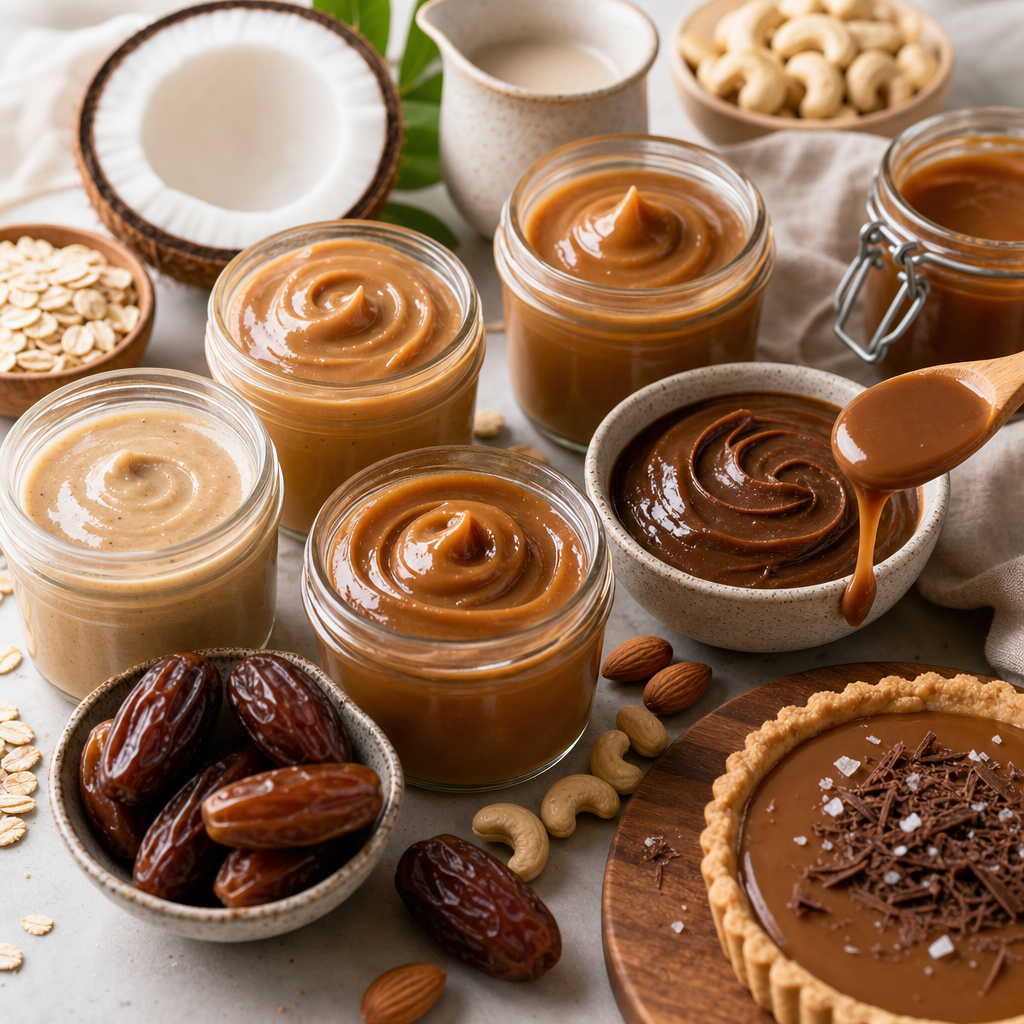
The texture requires patience to perfect. You’ll want a high-powered blender and plenty of plant-based milk to reach the right consistency. Start with less liquid than you think you need, then add gradually until you hit the perfect spreadable texture.
6. Gaucho Ranch Dulce de Leche: The Clean-Label Choice We Stand Behind
After exploring these alternatives, we want to introduce the solution we’ve spent years perfecting: our Gaucho Ranch Dulce de Leche line. We developed these products specifically for bakers and chefs who demand authentic flavor, clean ingredients, and products that perform consistently across every application.
Here’s what sets our dulce de leche apart:
- Crafted with plant-based milk for naturally dairy-free composition
- No artificial flavors, preservatives, or mysterious additives
- Kosher certified and produced in SQF-certified facilities
- Available in multiple consistencies for different baking needs
We understand that choosing a commercial product means trusting the maker. That’s why we built our dulce de leche around a simple philosophy: use real, recognizable ingredients and time-honored techniques to create something genuinely good. We don’t cut corners with stabilizers or shortcuts with artificial caramel flavoring.
Our dulce de leche works whether you’re folding it into cream, drizzling it onto a finished cake, or using it as a filling between layers. The texture stays true because we’ve engineered it with the actual baking applications you depend on. We offer Dulce de Leche Syrup in 12oz and 21oz sizes, giving you options whether you’re testing a new recipe or stocking your professional kitchen.
Many bakers tell us they’ve tried multiple plant-based alternatives, spending weeks adjusting recipes and troubleshooting texture issues. Then they switch to our dulce de leche and suddenly they’re back to creating with confidence. That’s the difference clean ingredients and artisanal methods make.
7. Aquafaba Caramel: Plant-Powered Solution for Vegan Creations
Aquafaba, the liquid from canned chickpeas, deserves mention as one of the more creative dairy-free approaches. When whipped, aquafaba mimics egg whites beautifully. When reduced with sugar, it creates a caramel with unusual structure and stability.
Aquafaba caramel works well for:
- Creating meringue-style toppings over caramel layers
- Whipped caramel mousses and light, airy fillings
- Vegan desserts where traditional emulsifiers aren’t welcome
- Experimental baking projects exploring plant-based techniques
The flavor stays neutral, letting your sugar-forward caramel notes shine. The main advantage is how it behaves during aeration, which opens possibilities for lighter textured desserts that other caramel bases struggle to achieve.
That said, aquafaba caramel isn’t a perfect one-to-one replacement for traditional dulce de leche. It requires specific technique and careful pH balance. If you’re new to vegan baking, one of the milk-based options will probably feel more intuitive to work with.
8. Stored Stability and Shelf Life: Why Professional Bakers Choose Us
When you’re running a bakery or catering operation, consistency matters more than novelty. You need a product that performs the same way on Monday as it does on Friday, through different seasons and storage conditions.
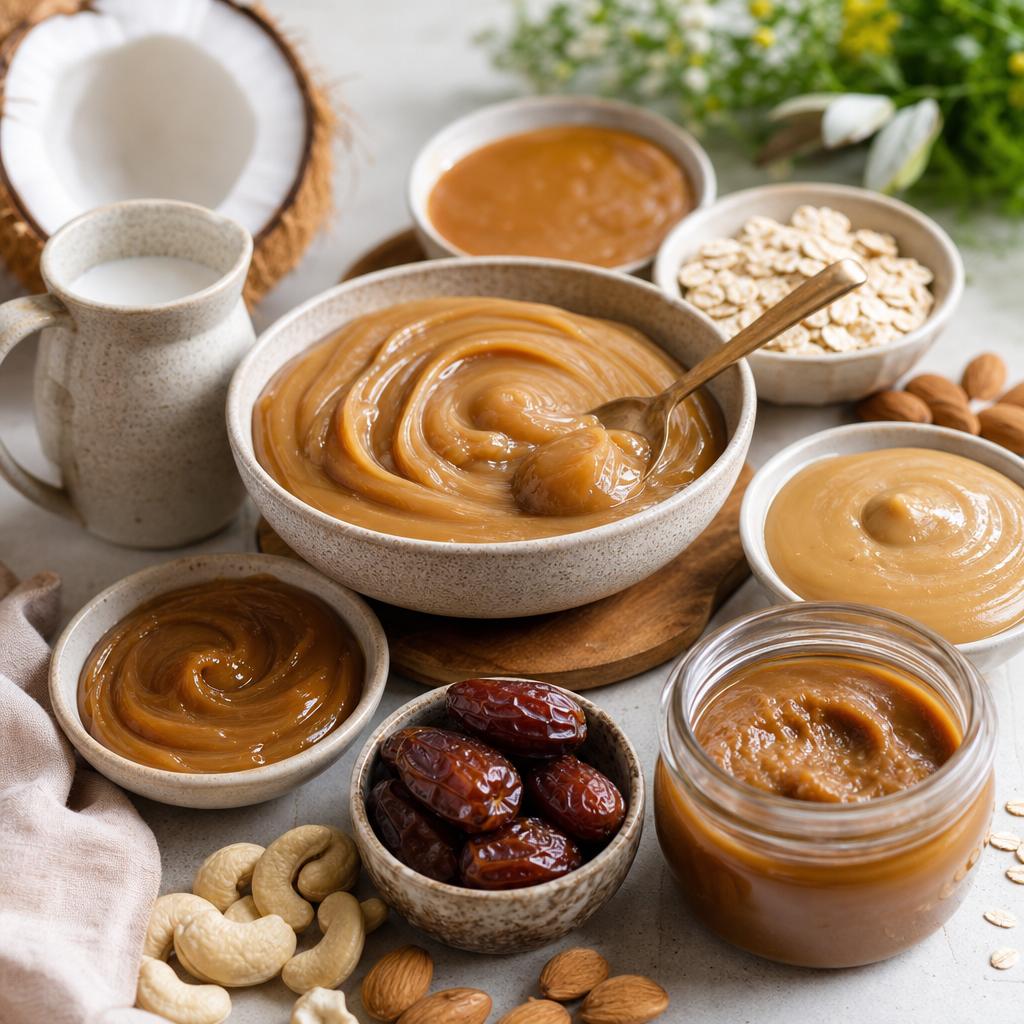
This is where commercial dairy-free dulce de leche becomes strategically important. Homemade versions, while delicious, are inherently variable. Batch-to-batch changes in your milk source, ambient temperature shifts, and subtle differences in cooking time all affect the final product. At scale, these variations compound into real problems.
Our Gaucho Ranch Dulce de Leche addresses this directly:
- Engineered for stable shelf life without chemical preservatives
- Maintains consistent texture and flavor across months, not days
- Performs predictably in both cold and warm storage conditions
- Tested for real-world bakery conditions, not just laboratory conditions
We’ve invested in understanding how dulce de leche behaves over time. We know which temperatures cause crystallization, when separation begins to occur, and how moisture exposure affects spreadability. This knowledge directly benefits your operation when you choose our product.
Professional bakers often discover that switching to a reliable, quality commercial product like ours actually saves time and waste. You’re not reproducing recipes because a homemade batch changed texture. You’re not adjusting quantities because your dulce de leche’s consistency shifted. You’re just baking confidently, consistently, and delivering the same excellent result your customers expect.
9. Customizing Consistencies: Getting the Right Texture Every Time
One detail that separates good dulce de leche products from great ones is texture flexibility. A filling needs different thickness than a topping. A cake layer requires different flow than a swirl in buttercream.
When you’re working with dairy-free options, consistency control becomes even more important because plant-based milks respond differently to temperature and time than dairy. Here’s how to think about adjusting texture across different applications:
For thinner, pourable dulce de leche (toppings and drizzles), warm your chosen caramel gently and add a small amount of plant-based milk or a splash of hot water. Stir well and test by drizzling from a spoon. You’re aiming for a honey-like flow that still clings to the dessert without pooling.
For thicker, spreadable dulce de leche (fillings and layers), let your caramel cool to room temperature. If it’s still too thin, refrigerate it for 30 minutes and test again. You want something that holds its shape when dolloped but spreads smoothly under a spatula’s pressure.
Our Gaucho Ranch Dulce de Leche comes in consistencies designed for these different purposes. Whether you need the fluidity of syrup or the body of spread, we’ve formulated options that require minimal adjustment. This is a genuine advantage over many homemade and commercial alternatives that force you into temperature games and time calculations just to reach the right texture.
The reason this matters: consistency issues undermine confidence. A baker working with unpredictable texture spends mental energy troubleshooting instead of creating. With a product engineered to deliver consistent results, you regain that creative focus.
—
Finding the right dairy-free dulce de leche substitute depends on your specific application, flavor preferences, and what consistency your recipe demands. Coconut milk caramel offers richness. Oat milk delivers smooth performance. Almond milk brings refinement. Cashew cream reaches for luxury. Dates bring whole-food simplicity. Aquafaba opens experimental possibilities.
But if you’re looking to eliminate variables, trust in clean ingredients, and work with a product designed specifically for professional baking demands, our Gaucho Ranch Dulce de Leche is where these considerations converge. We’ve taken what works from each alternative, applied our family’s decades of expertise in authentic Argentinian flavor, and created something that performs beautifully from your first batch forward.
The best substitute is one you can rely on every single time. That’s what we’ve built for you.