Why Chimichurri Styles Matter for Your Kitchen
If you’re cooking at home or running a professional kitchen, you’ve probably noticed that not all chimichurri sauces taste the same. A bottle labeled “chimichurri” from one maker might be bright and peppery, while another feels herbaceous and mild. These aren’t random variations. They reflect real regional traditions that shape flavor profiles in meaningful ways.
The truth is that chimichurri has traveled far beyond Argentina’s pampas. As chefs and home cooks embraced this versatile sauce, they adapted it to local ingredients and tastes. Today, you’re likely choosing between distinctly different styles, each with its own character and best uses. Understanding these differences transforms how you cook. Instead of reaching for one bottle out of habit, you can match the right chimichurri to your protein, your meal concept, and your diners’ expectations.
This matters because the wrong sauce choice can flatten a dish. Imagine serving a delicate fish with an aggressively spiced Caribbean chimichurri, or bringing Mediterranean vegetables to life with an overly mild original blend. The right style amplifies what you’re cooking. We’ve crafted multiple options for exactly this reason: because one chimichurri cannot honor every culinary tradition or satisfy every palate.
What to do next: Think about your three most common proteins or dishes. Note whether you typically want bold heat, subtle herbs, or tropical brightness. These instincts will guide you toward your ideal chimichurri style.
Understanding Argentinian Gaucho Chimichurri: Bold Heritage and Tradition
Argentinian chimichurri carries the legacy of gauchos who seasoned their grilled meats on the open range. This is the original style, refined through generations of cattle ranches and asados (barbecues). The flavor profile is unmistakable: bold, peppery, garlicky, with fresh parsley as the backbone and vinegar cutting through with bright acidity.
The heart of authentic Argentinian chimichurri lies in its simplicity and intensity. Parsley dominates, often accounting for more than half the herbs by volume. Garlic is generous, never shy. Crushed red pepper gives a consistent heat that builds rather than shocks. The vinegar acts as both preservative and flavor amplifier, making the sauce sing on rich, fatty meats like beef rib-eye, skirt steak, or lamb. There’s no cream, no sweetness, no tropical fruit notes—just pure, unapologetic flavor that commands the plate.
What makes this style work so brilliantly is restraint in ingredient count. When you’re working with five or six core components instead of twenty, each one shines. The result is a sauce that tastes alive, not processed. Diners immediately sense the difference between authentic Argentinian chimichurri and watered-down imitations.
Our [Gaucho Ranch chimichurri] follows this tradition closely. We start with fresh parsley, real garlic, quality vinegar, and carefully balanced spices. We skip the artificial flavors and unnecessary preservatives that other makers sneak in. The result is a sauce that tastes like it came from a ranch, not a lab. Whether you’re grilling steaks at home or plating dozens of portions in a restaurant kitchen, this original style delivers the authentic experience diners expect from Argentinian-inspired cuisine.
Mediterranean Chimichurri: Herbaceous and Refined Flavors
Mediterranean chimichurri takes the Argentinian concept and moves it toward the Iberian Peninsula and beyond. Instead of parsley dominance, you’ll find a more balanced herb profile. Oregano, basil, and thyme come forward. Garlic is present but softer. The heat is gentle, almost polite. Vinegar remains, but often white wine vinegar replaces the sharper red wine varieties, creating something more elegant and complex.
This style was born from the way Mediterranean cooks approach seasoning: they layer subtle flavors and let each component contribute its own note. The result feels refined without being pretentious. It complements lighter proteins—fish, chicken breast, prawns, delicate vegetables—rather than overwhelming them. A drizzle over grilled Mediterranean sea bass or roasted zucchini doesn’t mask the ingredient; it enhances it.
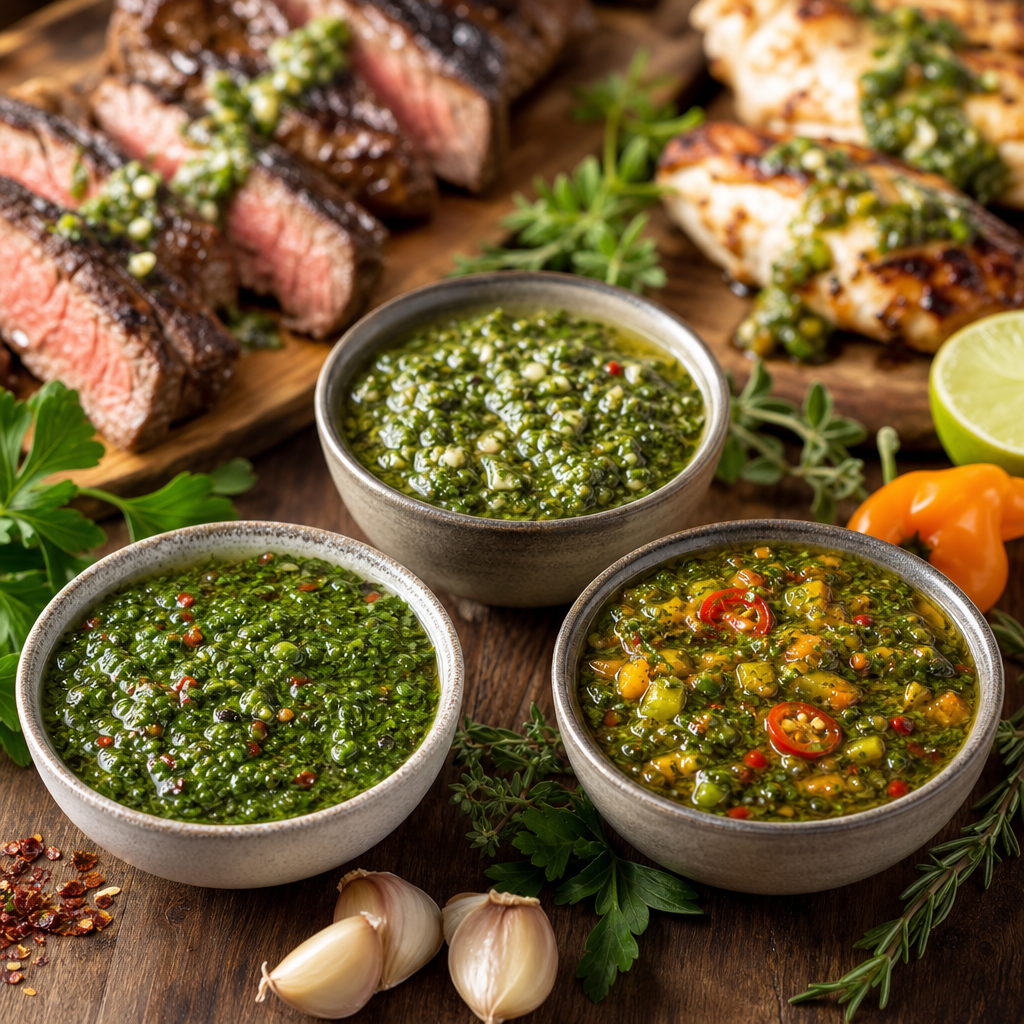
The herb balance in Mediterranean chimichurri also makes it friendlier to those who find traditional Argentinian versions too intense. If you’ve ever had a customer send back a dish saying “the garlic was too much,” Mediterranean might be your answer. The flavor is still unmistakably chimichurri, but it whispers rather than shouts.
Our [Mediterranean chimichurri flavor] brings this balanced approach to your kitchen. We layer oregano, basil, and thyme while keeping garlic at a level that adds depth without dominating. The result is a sauce that works equally well as a finishing drizzle, a marinade for white fish, or a dipping sauce for warm flatbread. Restaurants serving Mediterranean or coastal cuisine often build their menus around this version because it bridges tradition with versatility.
Caribbean Chimichurri: Tropical Heat and Vibrancy
Caribbean chimichurri ventures furthest from the original Argentinian recipe, introducing tropical ingredients and a different approach to heat. Instead of crushed red pepper’s steady burn, you’ll encounter habanero or scotch bonnet spices alongside warm spice notes like cumin and coriander. Some versions add fruit elements—lime, citrus—that create brightness and tropical character.
This style emerged as Latin American chefs began cross-pollinating traditions. Caribbean cooks took the chimichurri concept and asked: what if we built this around our own flavors? The answer was a sauce that feels fresh and spicy but also warm, slightly sweet, and deeply aromatic. It’s at home on jerk chicken, grilled plantains, blackened fish, and Caribbean stews.
The defining characteristic is complexity. Where Argentinian chimichurri achieves its power through intensity and Mediterranean through harmony, Caribbean achieves it through layering multiple warm spices and a bolder heat that makes sense in tropical climates and bolder flavor profiles. Diners who love spice and aromatics gravitate immediately toward this style.
What surprises many chefs is how well Caribbean chimichurri works beyond Caribbean dishes. A light swipe on grilled shrimp, a dipping sauce for sweet plantain chips, a marinade for chicken thighs, or even a complement to charred vegetable bowls—this versatility makes it a workhorse for creative kitchens. The tropical heat invites experimentation without being so specialized that it only fits one type of menu.
Ingredient Authenticity: Where Our Gaucho Ranch Stands Apart
Every chimichurri style depends on ingredient quality and purity. This is where many mass-market brands lose their way. They add soy fillers, preservatives, artificial flavors, and cheap oils to reduce costs and extend shelf life. The result tastes nothing like what a gaucho or Mediterranean cook would recognize.
We build all our chimichurri varieties—Argentinian, Mediterranean, and Caribbean—on the same foundation: real ingredients, clean labels, and nothing artificial. We use soybean oil (not palm or canola), fresh parsley, real garlic, vinegar, and authentic spices. No xanthan gum needed for thickness because we’re not padding the formula with water. No artificial garlic flavor because we use actual garlic. No mystery preservatives because proper formulation and our SQF certification keep everything shelf-stable and safe for 12 months.
This commitment matters at multiple levels. For health-conscious home cooks, it means no unexpected additives sneaking into their family meals. For restaurants, it means consistency batch to batch without compromising the taste your diners loved last week. For retailers, it means a product line that appeals to the growing segment of consumers reading labels and making conscious choices about what they eat.
We’re also Kosher certified and naturally nut-free, gluten-free, and soy-free across all varieties—not because we’re chasing dietary trends, but because these standards reflect real needs. A parent buying for a child with allergies deserves confidence. A chef managing a Kosher or allergen-conscious kitchen needs reliable options they can recommend without qualification.
What to do next: Check what your current chimichurri supplier lists on their label. If you see “natural flavoring,” preservatives you can’t pronounce, or thick binders, you’re not getting the authentic experience we deliver.
Versatility and Application Differences Across Styles
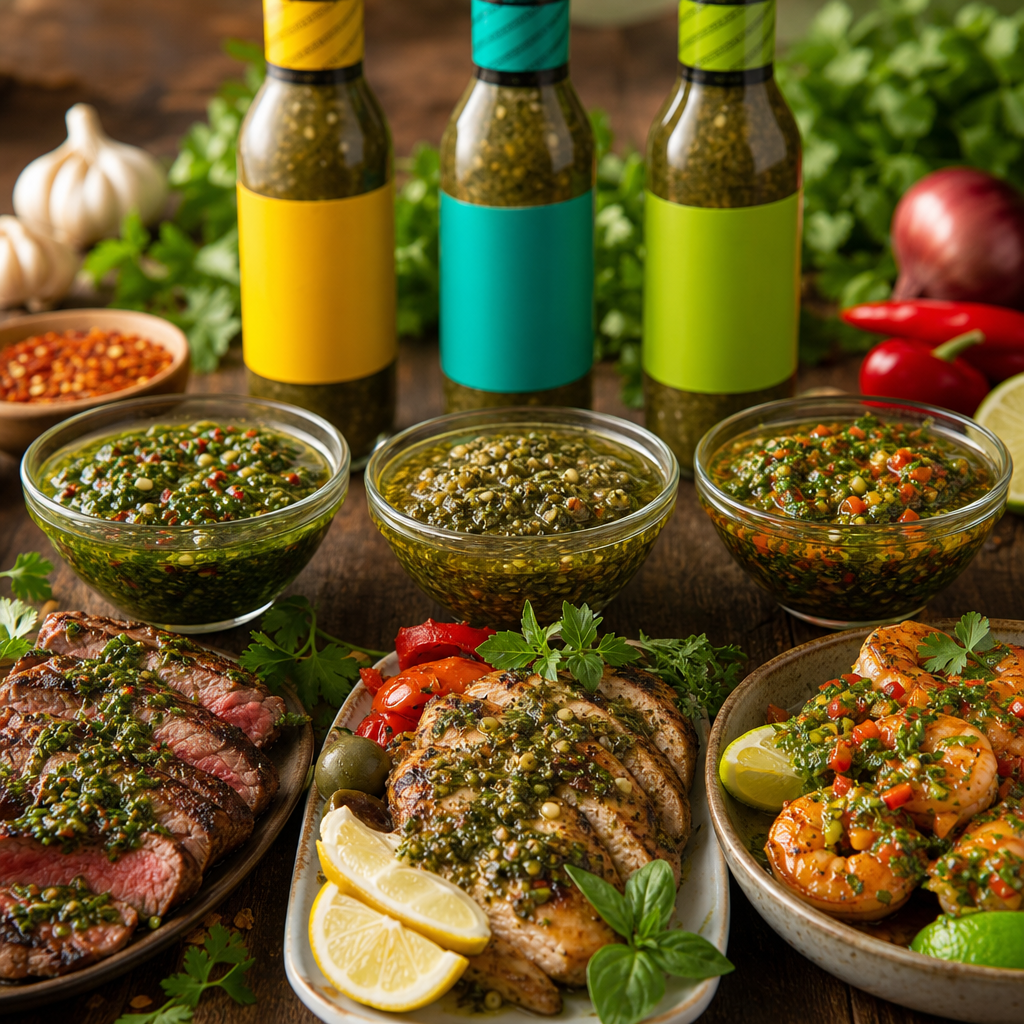
The best chimichurri choice depends on what you’re cooking. Matching style to application transforms results.
Argentinian Gaucho chimichurri shines on:
- Grilled red meat (beef, lamb, venison)
- BBQ and smoke-cooked proteins
- Roasted root vegetables
- As a marinade for tough cuts that benefit from bold flavoring
- Dipping sauce for grilled bread or empanadas
Mediterranean chimichurri excels with:
- Grilled or baked fish and seafood
- White and light poultry preparations
- Roasted vegetables (eggplant, asparagus, zucchini)
- Finishing sauce for soups and grain bowls
- Lighter marinades that won’t overpower delicate proteins
Caribbean chimichurri works best on:
- Jerk-spiced meats and poultry
- Grilled tropical fruits (pineapple, mango)
- Fish tacos and seafood preparations
- Roasted sweet potatoes and plantains
- Bold vegetable dishes that can handle aromatic spice
The application question is equally important. All three styles work as marinades, condiments, and dipping sauces, but their impact differs. A marinade with Mediterranean chimichurri might infuse delicate white fish over 15 minutes. The same fish with Argentinian chimichurri as a finishing sauce tastes completely different—you want the bold flavor on top, not soaked in. Caribbean chimichurri as a marinade begins breaking down richer proteins while its spices meld into the meat, creating deep flavor integration.
Restaurant chefs often keep multiple styles on hand, pulling each based on the protein and menu concept. Home cooks typically build around one or two favorites, then experiment as confidence grows. There’s no wrong choice—just the choice that serves your current cooking best.
Health-Conscious Benefits: Clean Labels Across All Our Varieties
Consumers now read ingredient lists more carefully than ever. They want to know exactly what’s in their food, and they’re willing to pay for transparency. This shift has exposed how many supposedly “premium” chimichurri sauces hide processed ingredients behind innocent-sounding names.
We’ve built all our chimichurri styles around clean-label principles. Every ingredient has a reason for being there, and every reason is culinary or preservation-related, not cost-cutting-related. Our parsley, garlic, vinegar, and spices create the flavor profile. Our soybean oil carries those flavors and provides the right texture. Nothing more.
The health benefits follow naturally. Our chimichurri sauces are:
- Zero artificial flavors or preservatives
- Naturally gluten-free (important for celiac customers and those avoiding gluten)
- Naturally nut-free (critical for allergen-conscious kitchens)
- Naturally soy-free (though our oil is soybean-derived, the processing removes soy protein allergens)
- Keto-friendly (minimal carbohydrates, no sugar)
- Vegan chimichurri options available
These aren’t marketing check-boxes we’ve added as an afterthought. They’re inherent to how we make chimichurri. A keto-friendly sauce isn’t a compromise—it’s what you get when you make chimichurri without sugar, filler, and junk.
For retailers, this means attracting health-conscious shoppers who specifically seek clean labels. For restaurants, it means accommodating dietary restrictions and preferences without special ordering or label anxiety. For home cooks, it means one less thing to worry about at dinnertime.
Our Gaucho Ranch Chimichurri: The Clear Winner for Authentic Quality
You could spend time sampling dozens of chimichurri brands, comparing ingredient lists, adjusting recipes, or gambling on unknown products. Or you could cut straight to what actually works.
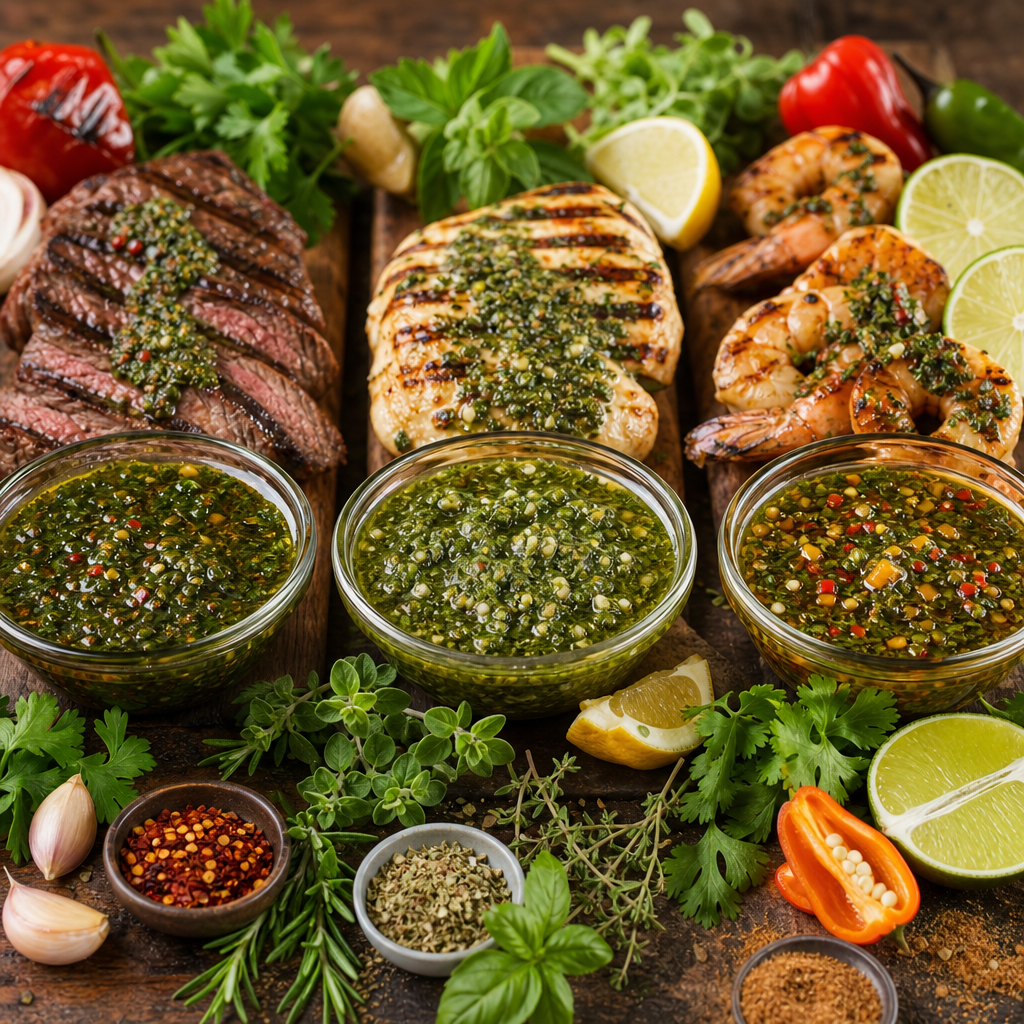
We’ve spent years perfecting our three signature styles—Argentinian, Mediterranean, and Caribbean—because we know authentic flavor doesn’t compromise. Our Gaucho Ranch line starts with a commitment we don’t waver on: every bottle tastes like it came from real culinary tradition, not a marketing focus group.
What makes Gaucho Ranch distinctly superior comes down to three things. First, our ingredient selection prioritizes flavor. We don’t use the cheapest parsley or the oldest spices. We don’t bulk our formula with water and thickeners. Second, our commitment to clean labeling is genuine, not greenwashing. You’re buying sauce, not a chemistry experiment. Third, we’re Kosher and SQF certified, meaning our manufacturing meets professional food service standards—whether you’re running a Michelin-level kitchen or cooking for your family at home.
The result is a sauce line that restaurant chefs, specialty retailers, and health-conscious home cooks all return to because it delivers. Once you taste the difference that authentic ingredients and honest formulation make, other options start tasting thin and artificial.
Choosing Your Perfect Chimichurri for Every Meal
The best chimichurri is the one you’ll actually reach for. Consider these practical factors:
Start with your protein preference. If beef and lamb dominate your cooking, the bold Argentinian style is your foundation. If you cook more fish and white meat, Mediterranean becomes your daily driver. If you love spice and complexity, Caribbean opens new possibilities.
Think about your palate. Do you naturally prefer bold, garlicky flavors? Do you shy away from heat? Does aromatic warmth appeal more than sharp intensity? Your natural taste preferences will guide you toward satisfaction instead of constant compromise.
Consider your audience. Cooking for yourself allows complete freedom. Cooking for a family means accommodating varied preferences—maybe you keep two styles. Cooking professionally means understanding what your guests order most and what complements your menu’s protein focus.
Build on clean labeling. Since all our chimichurri varieties meet the same clean-label standards, you’re choosing purely on flavor profile and application. You’re never trading quality or transparency regardless of which style you select.
Start with a single bottle. A 12.5oz bottle lets you explore without overcommitting. Use it for two or three meals, notice what excites you, then branch out. Many cooks discover they prefer different styles for different seasons or protein rotations.
Our Gaucho Ranch chimichurri comes in multiple sizes for different needs. Home cooks typically start with our 12.5oz retail bottle. Restaurants and serious home cooks often prefer our 2-gallon jugs for better value and consistent availability. All sizes deliver the same authentic flavor and clean-label quality.
The only real mistake is waiting. The difference between authentic, carefully made chimichurri and the processed alternatives most people settle for is unmistakable the moment you taste it. Once you experience what real chimichurri—in whichever style matches your cooking—brings to your kitchen, you’ll wonder why you ever cooked without it.
For further reading: Gaucho Ranch chimichurri.
Contact us for retail and foodservice inquiries at 877-240-3744