Why Allergen Labels Matter to You
When you’re standing in the condiment aisle reading labels with a magnifying glass, you’re not being overly cautious—you’re being smart. Food allergen labels can feel like they’re written in code, and the differences between “nut-free,” “made in a facility,” and “may contain” can be genuinely confusing. For families managing allergies, these distinctions aren’t academic; they’re about protecting the people you love every single meal.
At Cordoba Foods, we understand this responsibility deeply. As a family-owned manufacturer of specialty condiments, we’ve made allergen clarity a core part of who we are. This guide breaks down what allergen labels actually mean, how to read them with confidence, and why our approach to nut-free certification sets a higher standard for safety.
Food allergies affect roughly 32 million Americans, including about 5.6 million children. But allergen concerns aren’t just about severe reactions—many people are managing sensitivities, ethical preferences, or dietary restrictions that make label clarity essential to daily life.
When you choose a condiment, you’re not just picking a flavor. You’re making a trust-based decision about what goes into your family’s meals, marinades, and table. A chimichurri sauce that tops grilled chicken at dinner or a dulce de leche filling in pastries at a bakery should never be a source of anxiety about hidden ingredients.
The challenge is that allergen labeling standards vary widely across manufacturers. Some companies use protective language to avoid legal liability, even when contamination risk is minimal. Others are transparent about their actual manufacturing conditions. Learning to decode these labels empowers you to make informed choices that align with your family’s real needs, not just your fears.
What to do next: Check three products you use regularly and compare how they describe allergen information. You’ll likely see different approaches, which shows why this literacy matters.
What Nut-Free Really Means on Product Labels
“Nut-free” is one of the clearest allergen claims a company can make, but only when it’s properly defined. A genuine nut-free label means the product contains no tree nuts or peanuts (which are legumes, but treated as tree nuts for allergen purposes) as intentional ingredients.
Here’s what this does not necessarily mean: it doesn’t automatically guarantee zero cross-contamination. It doesn’t mean the facility never processes nuts. And it doesn’t mean every ingredient used is nut-free by nature—some ingredients might be processed on shared equipment.
The FDA distinguishes between two types of nut-free claims. A “Contains Nuts” statement is mandatory when nuts are intentional ingredients. But “nut-free” labels are voluntary and often self-regulated by manufacturers based on their understanding of their supply chain.
When we label our Gaucho Ranch Chimichurri sauces as nut-free, we mean that parsley, garlic, soybean oil, vinegar, spices, xanthan gum, and crushed red pepper form the complete ingredient list. No hidden nuts in our formula. Our sauces are also gluten-free, soy-free, and free from artificial flavors or preservatives, so you’re not trading one allergen concern for another.
Similarly, our N’DULCE Dulce de Leche comes in nut-free formulations made from milk, cane sugar, highly refined soybean oil, corn syrup, and vanilla. The sweetness comes from real ingredients you recognize, not mystery compounds.
Action to take: When evaluating a nut-free product, scan the full ingredient list yourself. If you see “processed in a facility,” that’s additional information beyond the nut-free claim, and it matters for your decision-making.
Decoding Made in a Facility Claims
“Made in a facility that also processes nuts” or similar statements are where allergen labeling gets intentionally cautious. These disclaimers reflect manufacturing realities, but they’re not all created equal.
Some facilities process nuts on entirely separate production lines with their own equipment, cleaning cycles, and staff. Others use shared surfaces and equipment where cross-contamination is theoretically possible. The label might not distinguish between these very different scenarios, which is where your detective work comes in.
The FDA does not require manufacturers to use a standard format for facility warnings. You’ll see language like “may contain,” “processed in a facility,” “uses shared equipment,” or “made on shared lines.” Each phrase carries slightly different implications, but all signal potential cross-contact risk.
The key question: is this warning legally protective language, or does it reflect actual manufacturing conditions? A company might add “made in a facility that processes nuts” even if nuts haven’t been processed there in months, simply to avoid legal exposure. Other companies are genuinely managing shared production spaces and want to be honest about it.
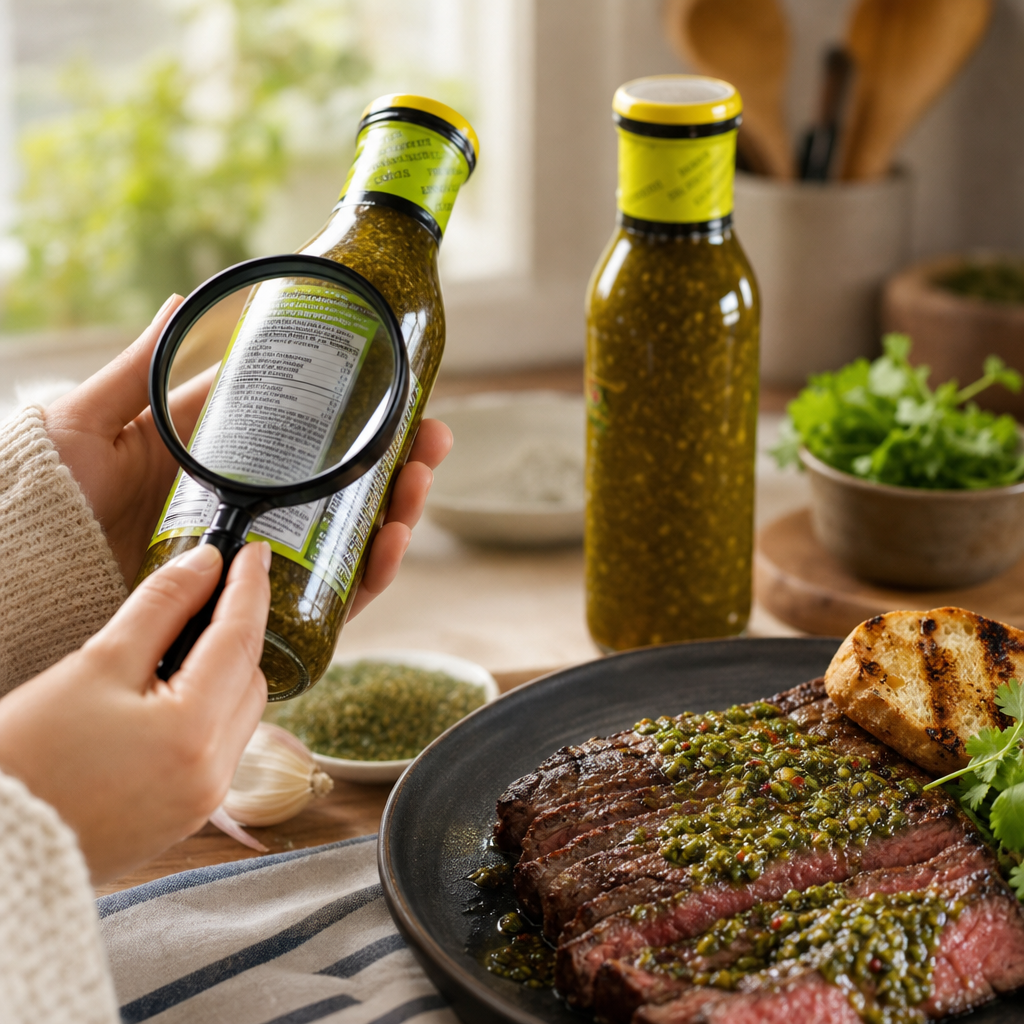
Our approach is different. We don’t add blanket facility warnings unless they reflect our actual production reality. Because we specialize in clean-label, allergen-conscious products, we’ve built our manufacturing process with allergen separation in mind from the ground up. This isn’t about avoiding liability statements; it’s about designing safety into the system.
What to do next: Contact the manufacturer directly. Ask them specifically: “What equipment do you use for nut processing, and is it separate from the production line for this product?” Transparent companies will give you a clear answer.
The Difference Between Nut-Free and May Contain Statements
Here’s where clarity becomes critical. “Nut-free” is a positive claim about what’s in the product. “May contain nuts” is a risk acknowledgment about what might have ended up there by accident.
These statements sound different because they are fundamentally different. Nut-free tells you the manufacturer has controlled their ingredient sourcing and production to exclude nuts intentionally. May contain tells you there’s a possibility—even a small one—that nuts entered the product unintentionally.
For someone with a severe nut allergy, the presence of a “may contain” statement is often disqualifying, regardless of how small the actual risk might be. For someone with a mild sensitivity or a preference to avoid nuts, the distinction matters less. Your family’s specific situation determines how you weight these claims.
The tricky part: companies sometimes use “may contain” language extremely broadly. You’ll see products that say “may contain peanuts, tree nuts, milk, soy, wheat, fish, shellfish, and sesame” when their actual facility only processes one or two of these. This is legal protection taken to an extreme, and it doesn’t help you make informed decisions.
A responsible manufacturer distinguishes between ingredients intentionally used, ingredients processed in the facility, and ingredients present in raw material suppliers upstream. The more specific a company is, the more you can trust their allergen management.
Our Gaucho Ranch Chimichurri and N’DULCE Dulce de Leche products are labeled cleanly: nut-free, no “may contain” statements. We’ve invested in ingredient sourcing and manufacturing controls that let us stand behind that claim without hedging language. This matters whether you’re buying for a restaurant kitchen, a home dinner table, or a bakery where allergen cross-contact could be a serious liability issue.
Action to take: If you see a product with ten different “may contain” warnings, contact the maker and ask which allergens are actually present in their facility. Specificity is a sign of honest allergen management.
Our Commitment to True Nut-Free Certification
At Cordoba Foods, being nut-free isn’t a marketing claim we added to our label. It’s embedded in how we source, manufacture, and verify every batch.
Our Gaucho Ranch Chimichurri sauces and N’DULCE Dulce de Leche products are rigorously nut-free by design. We maintain dedicated production lines and equipment that never process tree nuts or peanuts. Our ingredient suppliers provide allergen certifications, and we verify these regularly. When parsley becomes garlic and vinegar in our chimichurri, no nut particles have any pathway into that batch.
This commitment extends beyond nut-free, which is why we’ve also pursued Kosher certification and SQF (Safe Quality Food) certification. These third-party verifications require independent audits of our entire operation, from sourcing through shipping. We’re not simply declaring ourselves nut-free; we’re proving it to external standards that matter across food service, retail, and institutional buyers.
Our squeeze bottles of dulce de leche in salted, chocolate, and original varieties carry the same rigor. Whether you’re piping dulce de leche into a churro at a coffee shop or spreading it on toast at home, that nut-free label reflects actual manufacturing reality, not aspirational language.
For families buying our products, this means confidence. You’re not playing odds with your health. For restaurants and bakeries, this means liability protection and the ability to serve customers with allergies without constant second-guessing about ingredient safety.
What to do next: Look for third-party certifications like Kosher, SQF, or allergen-specific certifications on the brands you trust. These badges represent actual audits, not just manufacturer claims.
How We Ensure Zero Cross-Contamination
Cross-contamination prevention isn’t a one-time quality check; it’s a daily operational commitment. Here’s how we protect the nut-free integrity of our products.
First, ingredient sourcing. We work with suppliers who understand allergen separation and provide detailed allergen affidavits for every raw material. When we source soybean oil for our chimichurri, we know exactly where it comes from and what equipment processes it upstream. This upstream transparency prevents allergen contamination before it reaches our doors.
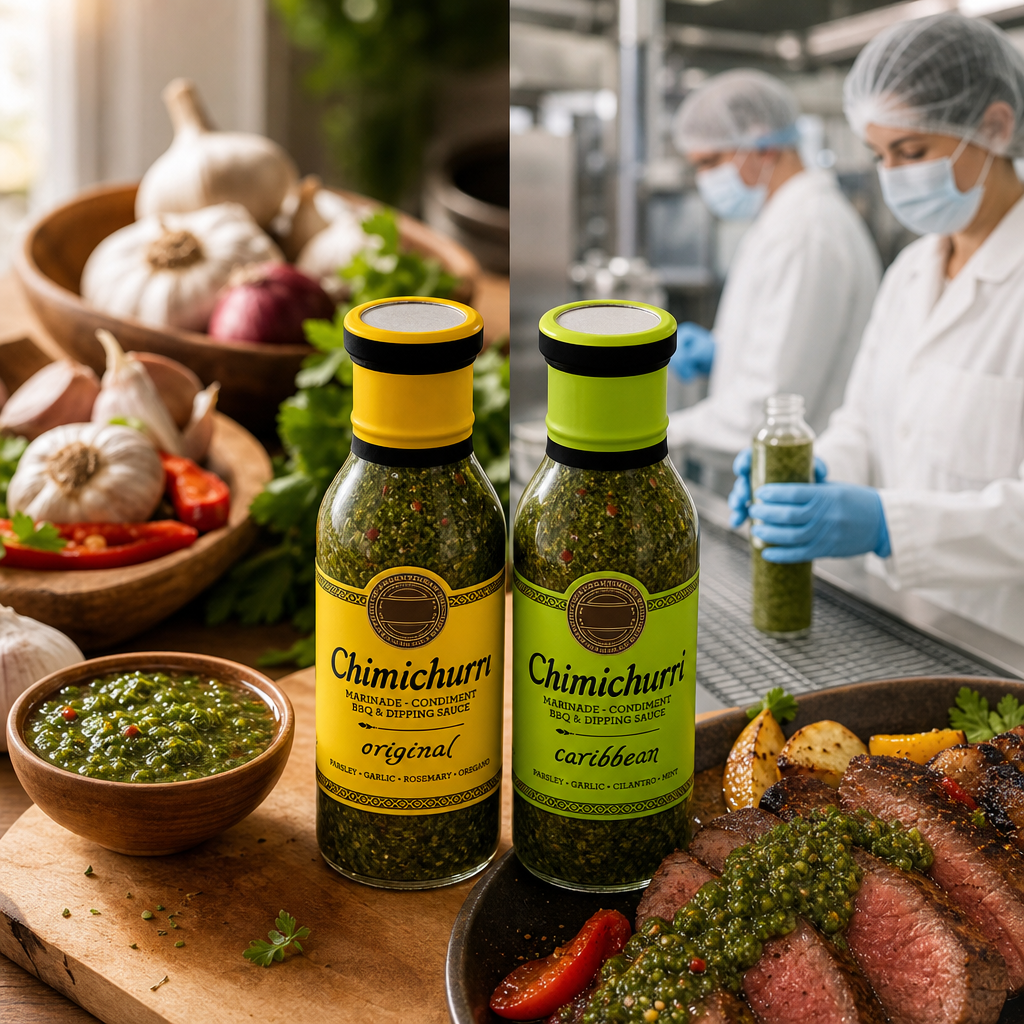
Second, production line design. Our manufacturing facility separates nut-containing processes from our specialty condiment lines. Equipment is dedicated, cleaning cycles are validated, and staff training emphasizes allergen awareness. We don’t process tree nuts on Monday and nut-free products on Tuesday using the same blenders.
Third, testing and verification. Beyond our internal processes, we conduct regular allergen testing on finished products. These aren’t random spot checks; they’re systematic validations that verify our controls are working. We document every test result, maintaining records that prove our nut-free claim isn’t theoretical.
Fourth, staff training and accountability. Every team member in our facility understands why allergen separation matters. Production staff, cleaning crew, quality assurance personnel all know that a cross-contact incident affects real families with real allergies. This culture of responsibility is as important as any equipment or procedure.
Finally, traceability. Every batch of Gaucho Ranch Chimichurri and N’DULCE Dulce de Leche carries production codes. If a question ever arises about a specific bottle or jar, we can trace ingredients, production date, equipment used, and test results. Transparency builds trust.
Action to take: When you buy a product with an allergen claim, see if the company publishes their allergen control procedures. Willingness to share these details is a strong indicator of genuine commitment.
Comparing Clarity and Transparency Standards
Not all nut-free claims are equal, and comparing how different brands handle allergen transparency reveals a lot about their values.
Some companies use broad, sweeping allergen statements that avoid specificity. A label might say “Made in a facility that processes tree nuts and peanuts” even though the nut processing happens in a completely separate building with different staff. This approach prioritizes legal risk avoidance over customer clarity.
Other companies use precise, detailed language. They might specify “this product is made on dedicated equipment that does not process peanuts or tree nuts. Our facility also processes soy and wheat on separate lines.” This level of detail takes work but serves customers who need to make precise decisions.
Then there are companies like ours that have designed our entire operation around clean-label priorities. Because we specialize in products for health-conscious customers, allergen-conscious consumers, and food service buyers with strict standards, our manufacturing and sourcing reflect those values from day one.
The difference shows up in how we market and label. We don’t add disclaimer language we don’t need. We don’t hedge our nut-free claim with cautious “may contain” statements. We make the claim because we’ve built the controls to back it up.
For you as a buyer, this means you can make faster, more confident decisions. You’re not parsing vague language or calling customer service to decode what a facility warning actually means. The label says what it means because we’ve invested in the clarity that matters to our customers.
What to do next: Comparison shop the allergen statements on three competing brands in your favorite category. You’ll immediately see the difference between vague liability protection and genuine transparency.
Why Your Family Deserves Guaranteed Safety
Nut allergies range from mild sensitivities to life-threatening reactions. Some people react to trace amounts; others tolerate small quantities. Children’s allergies sometimes resolve with age; others persist or intensify. The spectrum is wide, which is why product clarity matters so much.
When a parent or guardian chooses a condiment for a family meal, they’re making a health decision that shouldn’t require anxiety. That chimichurri sauce for grilled chicken, that dulce de leche topping for ice cream—these should enhance the meal, not create stress about whether hidden allergens are present.
Food manufacturers have a choice about how much clarity to offer. They can hedge with cautious language that protects them legally but confuses customers. Or they can invest in controls rigorous enough that they can make clear claims and stand behind them.
We believe families deserve the second approach. Our Gaucho Ranch Chimichurri is nut-free because we’ve built a supply chain and manufacturing process that ensures it. Our N’DULCE Dulce de Leche products in salted, chocolate, and original varieties meet that same standard. You’re not taking a chance when you use our products; you’re choosing from a company that has aligned its operations with the safety your family needs.
This commitment extends beyond nuts. Our products are also gluten-free, soy-free (in certain formulations), and free from artificial flavors and preservatives. We understand that allergen concerns often cluster. Someone managing a nut allergy might also be avoiding gluten or seeking clean-label ingredients. Our approach addresses these interconnected needs rather than solving one problem while creating another.
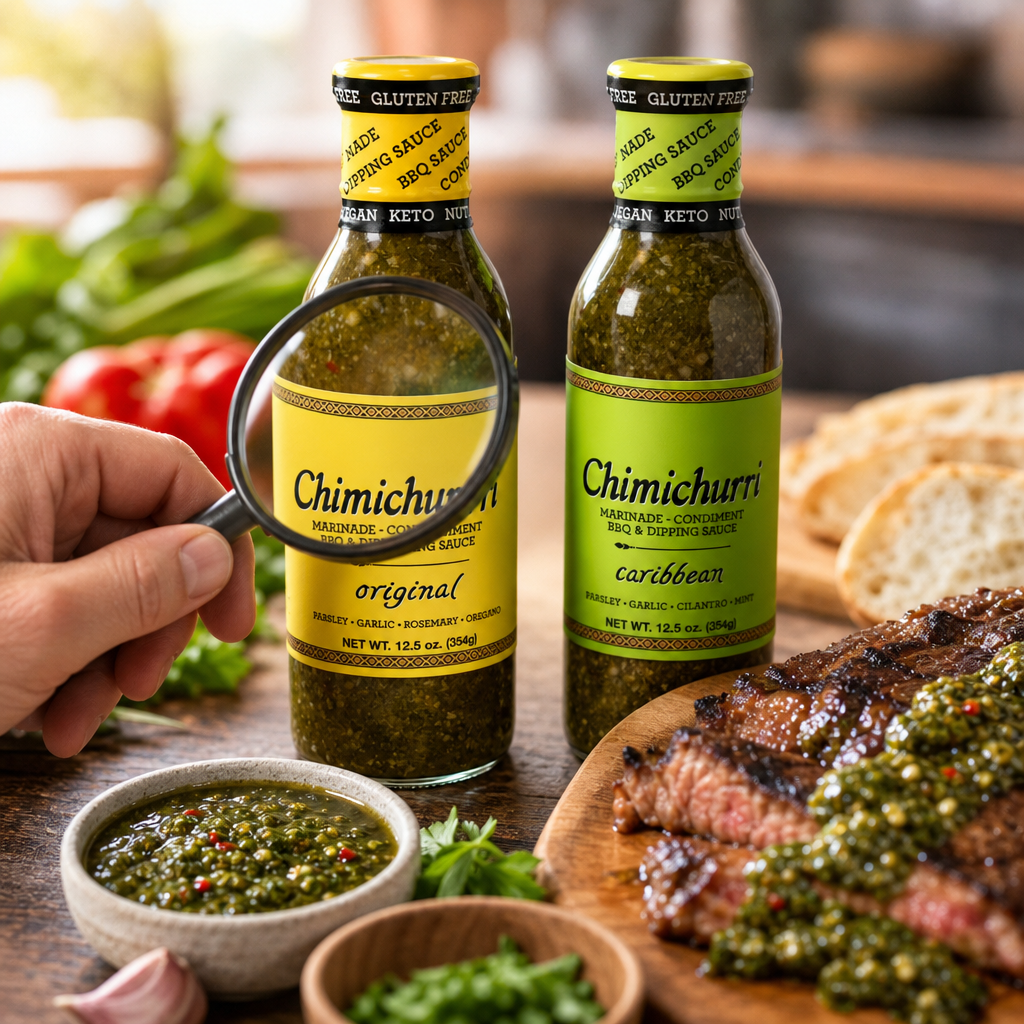
For restaurants, bakeries, coffee shops, and food service operations, this clarity is even more critical. Serving a customer with a known nut allergy requires absolute confidence. Our nut-free certification and SQF verification give you that confidence. You’re not guessing; you’re equipped to serve safely.
Action to take: Have a conversation with your family about their specific allergen concerns. Are you avoiding nuts only, or other allergens too? Choose products that address all your needs, not just the primary one.
Beyond Labels: Our Kosher and SQF Verification
Allergen clarity is foundational, but our commitment to food safety extends beyond nut-free certification. Our Kosher and SQF certifications represent additional layers of verification that matter to different audiences.
Kosher certification means our products have been produced according to strict Jewish dietary laws, verified by an independent Rabbinical authority. This certification covers ingredient sourcing, production processes, equipment, and facility management. It’s not just a label you add; it’s a comprehensive audit that ensures compliance with specific standards.
Why does this matter for allergen safety? Kosher oversight includes detailed documentation of ingredient sourcing, facility cleanliness, and production procedures. These same systems catch allergen issues. A Kosher certification often indicates a manufacturer serious about ingredient transparency and process control.
SQF (Safe Quality Food) certification is a food safety management system standard recognized globally. SQF-certified facilities undergo regular audits by third-party inspectors who verify that companies follow documented procedures for food safety, traceability, and allergen management. An SQF-certified facility isn’t just claiming to be safe; it’s proven this claim through independent inspection.
For our Gaucho Ranch Chimichurri and N’DULCE Dulce de Leche products, both certifications reinforce our nut-free commitment. When you see these badges on a product, you’re buying from a company that has submitted to external scrutiny and passed. That’s different from a manufacturer that simply declares safety internally.
These certifications also matter for food service. If you’re a restaurant, bakery, or food production company sourcing ingredients, SQF certification gives you confidence in your supplier’s controls. You can serve customers with allergies knowing your supplier has been audited by independent food safety experts.
What to do next: Ask your favorite food brands whether they hold SQF, Kosher, or other third-party certifications. Certification is proof, not just promise.
Making the Right Choice for Your Dietary Needs
Reading allergen labels and comparing claims takes effort, but you now have the knowledge to do it effectively. The final step is choosing products that match your family’s actual needs, not just theoretical fears.
Start by identifying your specific concerns. Are you avoiding nuts exclusively, or are there other allergens in play? Do you prefer clean-label products with no artificial ingredients, or is allergen avoidance your primary focus? Are you buying for home cooking, a restaurant kitchen, or a bakery where allergen liability is especially critical?
Next, evaluate products using the clarity standards we’ve discussed. A nut-free label is only meaningful if the company has designed their operation to deliver that claim. Look for specificity: what does the company actually claim, and what documentation backs it up? Third-party certifications like Kosher and SQF add credibility.
Then, choose products that address all your needs simultaneously. If you’re avoiding nuts and also seeking gluten-free ingredients, find a product that delivers both rather than compromising on one concern. Our Gaucho Ranch Chimichurri and N’DULCE Dulce de Leche lines are built this way because we understand that allergen concerns rarely exist in isolation.
For everyday cooking and meals, choose condiments you can trust completely. That grilled chicken dinner with chimichurri, that dessert with dulce de leche, those meals should be about flavor and enjoyment, not allergen anxiety. When you’re buying from a nut-free certified manufacturer with Kosher and SQF verification, you have the confidence to cook and serve without second-guessing.
Cordoba Foods’ specialty condiments are designed for exactly this purpose. Our Gaucho Ranch Chimichurri sauces come in original, mild, hot, Caribbean, Mediterranean, and pizza topping flavors, all nut-free and ready for marinades, dipping, or finishing. Our N’DULCE Dulce de Leche comes in salted, chocolate, and original varieties, in consistencies suited to every use from piping into churros to topping ice cream to baking into pastries.
When you choose our products, you’re choosing from a family-owned manufacturer that has built allergen safety into every aspect of our operation. No hedging with vague facility warnings. No “may contain” statements where they don’t belong. No compromise between flavor and safety. Just authentic Argentinian-inspired condiments that you can serve to your family with absolute confidence.
Your next step: Replace one condiment in your kitchen with a nut-free certified alternative. Notice how the clarity of the label and the quality of the product changes your experience at the table.
Contact us for retail and foodservice inquiries at 877-240-3744