1. Kosher Certification: What It Means for Your Kitchen
Kosher certification might seem like it only matters if you follow Jewish dietary laws, but it signals something broader: rigorous ingredient scrutiny and production oversight. When a product carries kosher certification, it means a qualified third-party has verified that every ingredient meets strict purity standards and that no cross-contamination occurs during manufacturing.
For our chimichurri sauces, kosher certification means we’ve documented where each herb comes from, how it’s processed, and how it moves through our facility. This level of traceability protects you regardless of your faith tradition. You know that what’s on the label is exactly what’s in the bottle, with no hidden additives or processing aids that weren’t disclosed.
Many commercial sauces use production shortcuts like non-kosher gelatin thickeners or alcohol-based flavor extracts that never make it onto the ingredient list. Our approach eliminates these gray areas entirely. The kosher mark represents transparency in an industry where shortcuts are common.
What to do next: Check your favorite condiment labels. If you see “OU,” “Star-K,” or another kosher certification mark, you’re looking at a product that’s undergone serious scrutiny. These certifications cost manufacturers money and require ongoing compliance, so brands that maintain them are typically committed to quality.
2. Gluten-Free Status: Why It Matters Beyond Dietary Needs
Gluten-free certification addresses far more than celiac disease. Nearly 3 million Americans have celiac disease, but another 18 million experience non-celiac gluten sensitivity. Beyond medical needs, many people simply feel better when they reduce gluten intake. For cooks managing these concerns, cross-contamination is the silent killer.
Here’s the realistic scenario: a sauce made with naturally gluten-free ingredients can still become unsafe if it’s produced on equipment that also processes wheat. The facility air, shared utensils, or even dust in the production line can introduce gluten particles invisible to the eye. Certification requires testing to confirm gluten levels remain below 20 parts per million, the threshold recognized by regulatory bodies worldwide.
Our gluten-free formulation means you can confidently serve our chimichurri at your table knowing it won’t trigger symptoms in guests with sensitivity. The certification also reflects our investment in dedicated production lines and cleaning protocols that go beyond what many smaller condiment makers can afford.
If you’re cooking for someone with celiac disease, gluten-free certification eliminates guesswork. If you’re simply seeking to reduce gluten as part of a wellness approach, it means you’re getting a product made with the same rigor.
What to do next: When buying condiments for someone with gluten sensitivity, always look for third-party certification rather than just “gluten-free” marketing claims. Certification requires lab testing; marketing language does not.
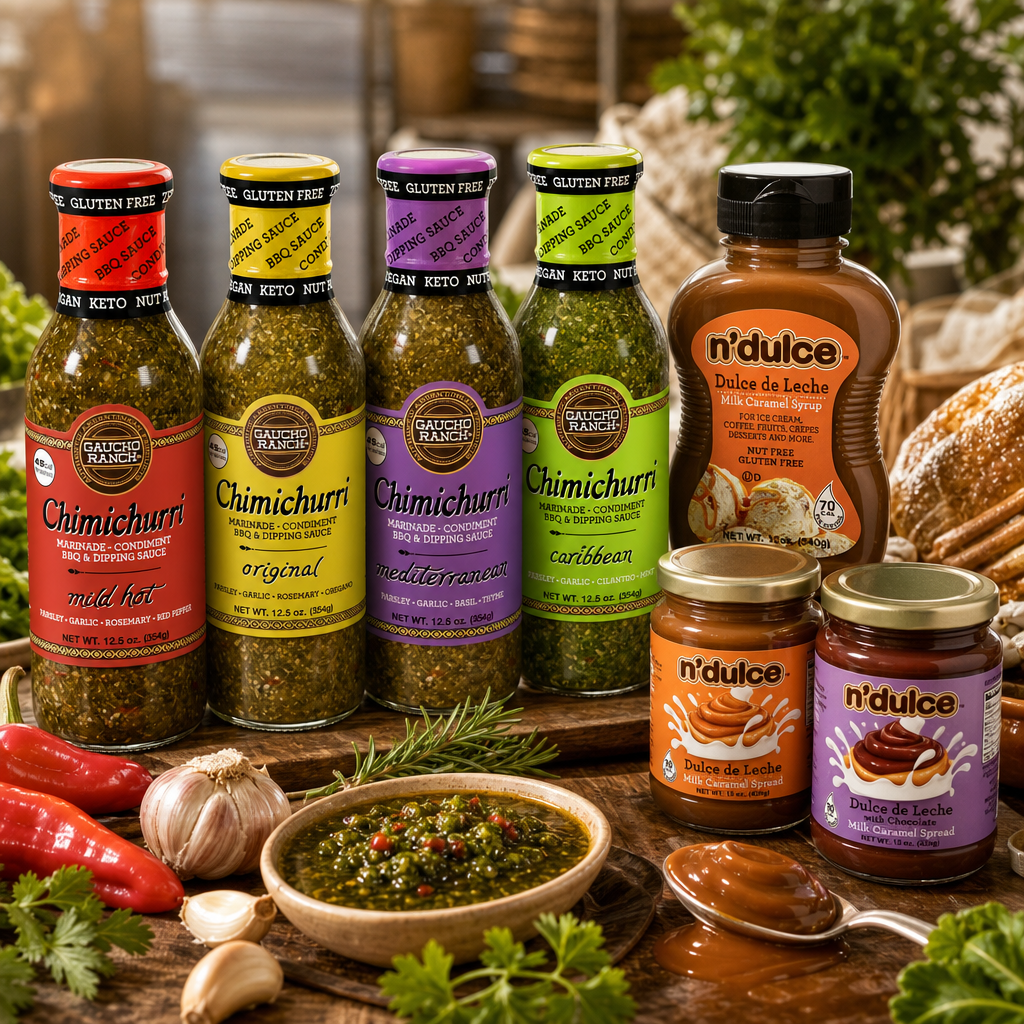
3. SQF Food Safety Certification: Our Quality Standard
SQF (Safe Quality Food) certification represents one of the most comprehensive food safety standards in the industry. It’s the certification that major retailers and food service operators demand from suppliers. Unlike basic food facility registration, SQF requires documented procedures for everything from ingredient sourcing to cleaning protocols to emergency response.
We maintain SQF certification because it ensures that our production meets the same standards that protect millions of meals served daily in restaurants and institutional kitchens. The certification involves surprise audits, hazard analysis documentation, and traceability systems that let us pinpoint the source of any ingredient within hours if needed.
This matters to you because it means our facility operates under the same safety expectations as commercial producers serving hospitals, schools, and high-volume restaurants. We’re not cutting corners because we’re small; we’re holding ourselves to the same accountability standards that major brands do.
The value isn’t just theoretical. SQF certification gives you confidence that if any ingredient batch ever showed contamination or quality issues, we’d catch it before it reaches your table. Our systems are designed to prevent problems rather than react to them.
What to do next: When evaluating specialty food brands, ask whether they hold SQF or similar third-party food safety certification. If they claim quality but can’t point to recognized certification, that’s a red flag.
4. Keto-Friendly Formulation: Zero Carb Confidence
The keto diet requires meticulous carbohydrate tracking, which means a sauce that claims to be keto-friendly must actually deliver zero net carbs. Many commercial condiments sneak in hidden carbs through added sugars, starches, or high-carb thickeners. Even “sugar-free” labels can mislead, since sugar alcohols or modified starches add carbohydrate grams that impact ketosis.
Our keto chimichurri contains zero sugar and zero grams of net carbohydrates per serving. We achieve this by using pure herbs, garlic, and oil without any sweeteners or starch-based thickeners. This is where clean formulation becomes essential: when you remove common shortcuts, you’re left with authentic flavor that doesn’t compromise your nutritional goals.
The difference becomes obvious when you use the sauce. Genuine keto-friendly products taste like food, not like a compromise. You get the full herbaceous brightness of parsley, cilantro, and oregano with the peppery bite of chili without the flatness that added fillers often create.
If you’re tracking macros closely, every condiment choice matters. Our zero-carb approach means you can add richness and flavor to proteins and vegetables without worrying about disrupting your ketone levels. For keto cooks, that’s the difference between a sauce that fits seamlessly into your plan and one that creates daily math headaches.
What to do next: If you follow keto, verify that your condiments show zero grams of sugar and zero net carbs on the nutrition label. Be skeptical of anything sweetened with sugar alcohols, since individual tolerance varies widely.
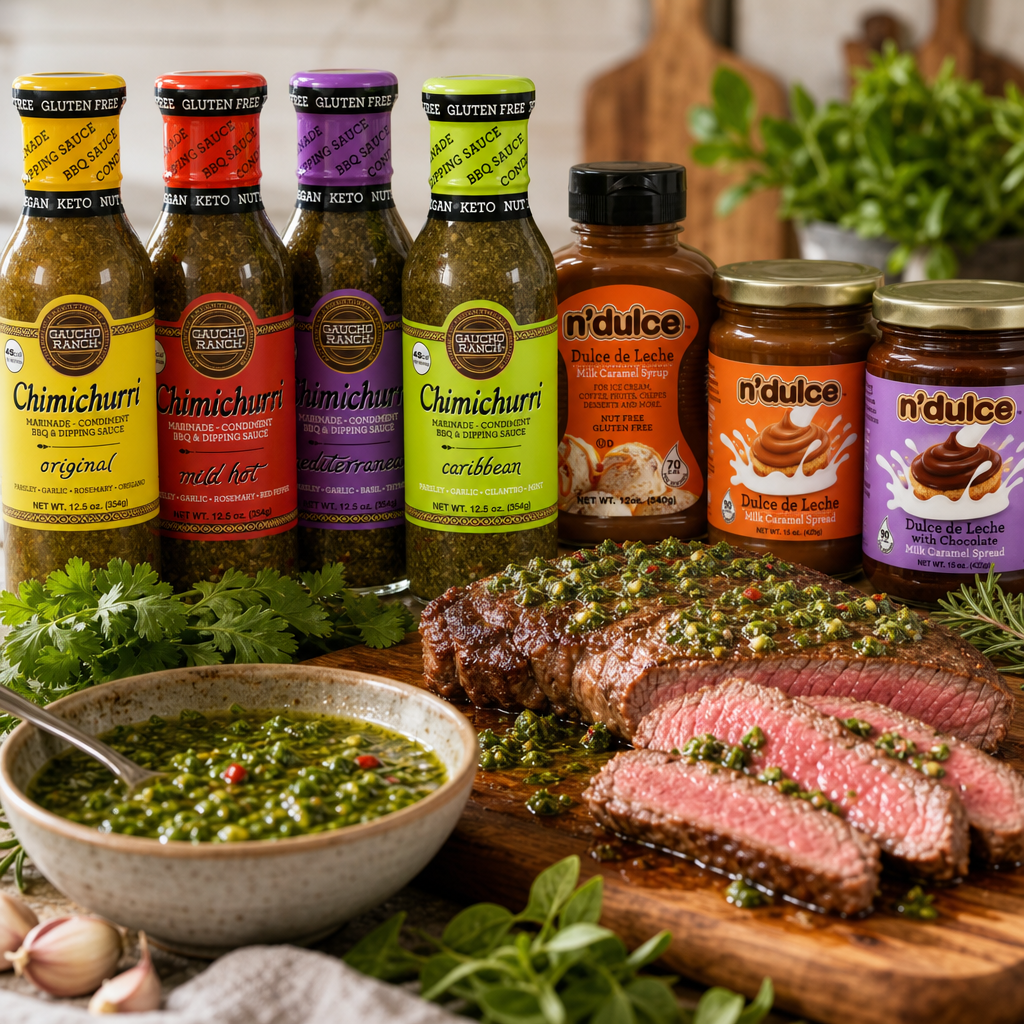
5. Non-GMO and Clean Label Claims: Knowing What You’re Getting
“Non-GMO” and “clean label” have become marketing buzzwords, but they mean different things depending on who’s using them. Non-GMO certification actually verifies through testing and documentation that ingredients don’t contain genetically modified organisms. Clean label is less formal, though it generally signals no artificial colors, flavors, or preservatives.
We source our herbs from suppliers committed to non-GMO practices and maintain documentation throughout our supply chain. Our ingredient list reads like a recipe: parsley, cilantro, garlic, chili pepper, salt, and oil. That’s it. No xanthan gum, no artificial smoke flavoring, no preservatives that sound like chemistry experiments.
The health-conscious kitchen has shifted away from foods with unpronounceable additives. You’ve likely noticed that once you start reading ingredient labels carefully, most commercial condiments look less like food and more like industrial formulations. The difference in taste alone becomes noticeable once you’ve experienced truly clean products.
When you choose non-GMO and clean label, you’re choosing a product whose ingredients you could theoretically buy at a farmers market and combine yourself. That’s the standard we hold ourselves to, because it aligns with the authentic Argentinian approach to chimichurri that we inherited from our family tradition.
What to do next: Compare your current condiment’s ingredient list to ours. If your current sauce has more than ten ingredients or includes items you can’t pronounce, it’s worth trying something cleaner.
6. Nut-Free Verification: Safety for Allergic Diners
Nut allergies are among the most severe food allergies, with reactions that can range from mild discomfort to life-threatening anaphylaxis. For families managing nut allergies, cross-contamination risks are constant. Many herb blends and spice mixtures are processed in facilities that also handle tree nuts or peanuts, creating hidden dangers.
Our nut-free formulation includes verified sourcing and facility protocols that prevent cross-contact. This matters when you’re cooking for guests with allergies or serving in environments like schools and medical facilities where nut safety is non-negotiable. You can confidently use our sauce without conducting a detailed allergy investigation with each guest.
Beyond the allergy concern, nut-free ingredients mean our chimichurri won’t trigger reactions for people who might not have disclosed their allergy status. In family gatherings, dinner parties, or catering situations, this eliminates a significant liability and safety worry.
The verification process requires documentation of all ingredients, supplier certifications, and facility cleaning logs. It’s not a casual claim; it’s a commitment backed by traceable evidence.
What to do next: If you regularly cook for people with nut allergies, confirm nut-free status with your condiment supplier in writing. Don’t assume; ask directly and request documentation if you’re serving in a professional or institutional setting.
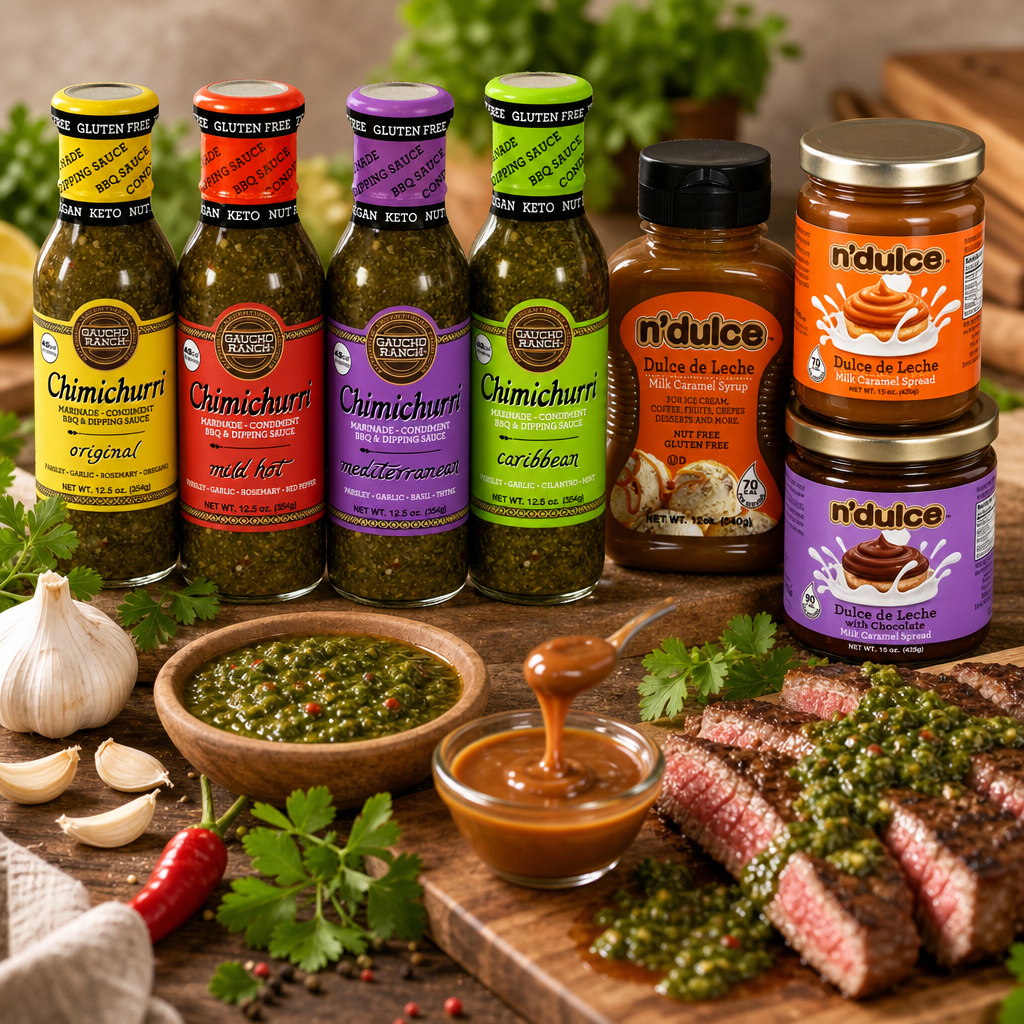
7. Vegan and Soy-Free Options: Expanding Your Culinary Boundaries
Dietary diversity has expanded dramatically over the past decade. Whether driven by ethics, health, allergies, or cultural practice, many cooks now need condiments that align with vegan, soy-free, or other restricted diets. A versatile kitchen needs solutions that work across multiple dietary approaches without compromising flavor.
Our vegan chimichurri formulation eliminates any animal products while preserving the herbaceous intensity and complexity that makes the sauce indispensable. Our soy-free options mean you can use our products in kitchens managing soy allergies or preferences. More importantly, these aren’t afterthoughts added because a focus group demanded them. They’re authentic expressions of what chimichurri actually is: herb-based, plant-forward, and inherently flexible.
The advantage to having clearly marked vegan and soy-free options is that you can serve confidently to guests with those requirements without preparing separate condiments or worrying about cross-contamination. One sauce works across your entire table.
In Argentinian tradition, chimichurri has always been fundamentally vegetable-forward. Our vegan formulation isn’t a modern compromise; it’s a return to the original spirit of the sauce as a flavor vehicle that works with any protein or plant-based main.
What to do next: If your kitchen serves diverse diets, stock both a classic and a specifically labeled vegan chimichurri option. You’ll find they work equally well and you’ll never disappoint a guest again.
—
When a producer invests in kosher certification, gluten-free verification, SQF food safety standards, keto formulation, non-GMO sourcing, nut-free protocols, and vegan options, it reveals a business that puts customer needs above marketing convenience.
We’ve earned these certifications because they reflect how we actually operate, not because we wanted impressive labels. Our family has been making Argentinian-inspired products for years, building trust through transparency and consistent quality. Each certification represents hours of documentation, testing, and process refinement that most consumers never see.
When you choose a certified chimichurri sauce, you’re investing in verifiable quality. You’re buying confidence that your dietary restrictions will be respected, that your allergies will be taken seriously, and that what’s on the label is genuinely what’s in the bottle. That’s the foundation of trust in specialty foods.
For further reading: Original chimichurri flavor.
Contact us for retail and foodservice inquiries at 877-240-3744